
Few historic places in Virginia contain as many layers of American history as Berkeley Plantation.
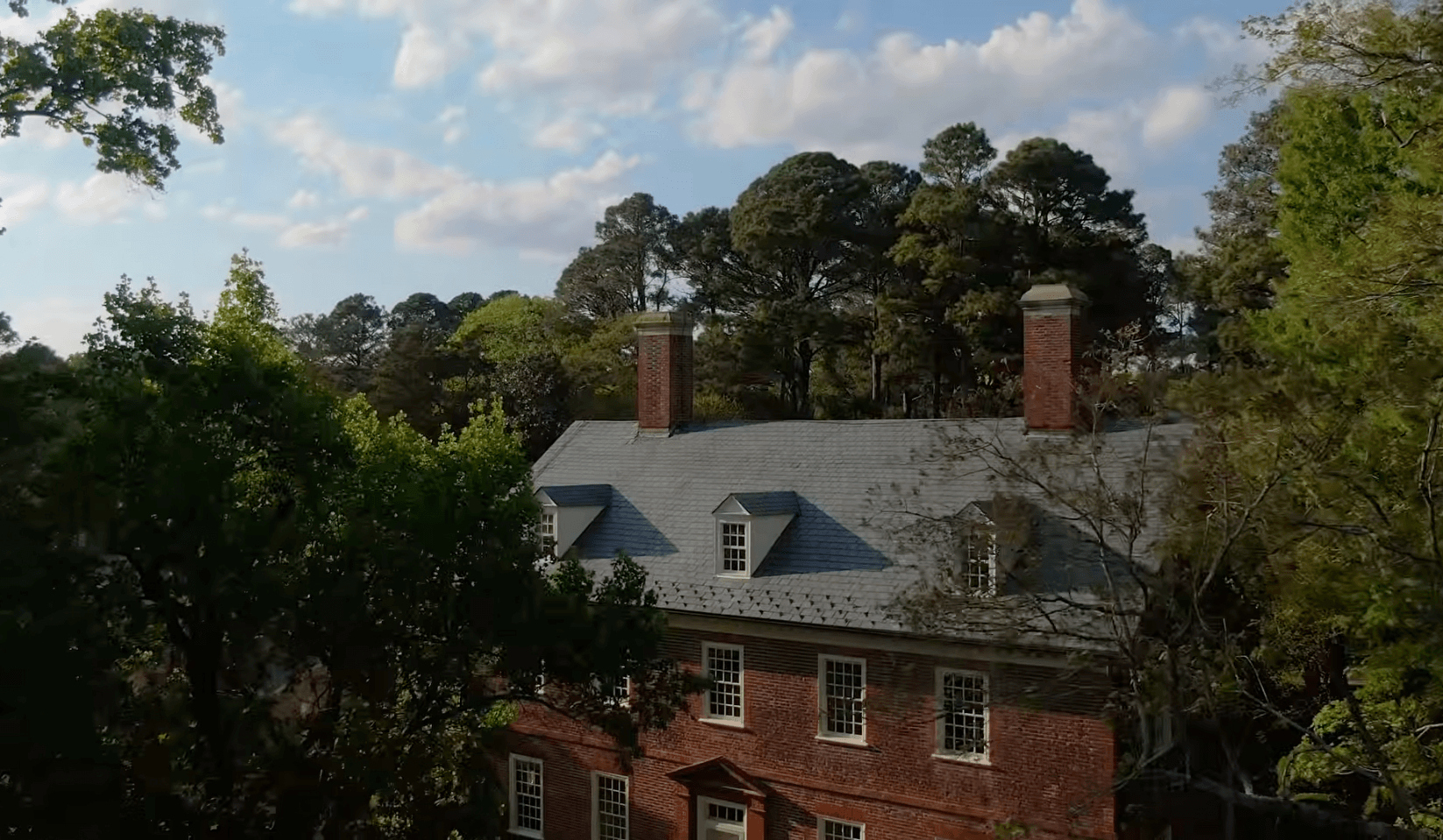
Berkeley Plantation
Located along the James River in Charles City County, Berkeley preserves stories from the earliest years of English settlement in Virginia, the rise of one of the colony's most influential families, the struggle for independence, the Civil War, and the preservation efforts that saved the estate for future generations.
Today, visitors walk through a Georgian mansion completed in 1726, explore centuries-old gardens overlooking the river, and discover a landscape connected to some of the most important moments in American history.
But Berkeley is more than a beautiful plantation house. It is a place where many different stories exist side by side.
What Is Berkeley Plantation Known For?
Berkeley Plantation is best known for five major historical connections:
1. One of Virginia's Earliest English Settlements
The history of Berkeley begins in 1619, when the Berkeley Company received an 8,000-acre land grant along the James River.
A group of settlers arrived aboard the ship Margaret on December 4, 1619, establishing Berkeley Hundred.
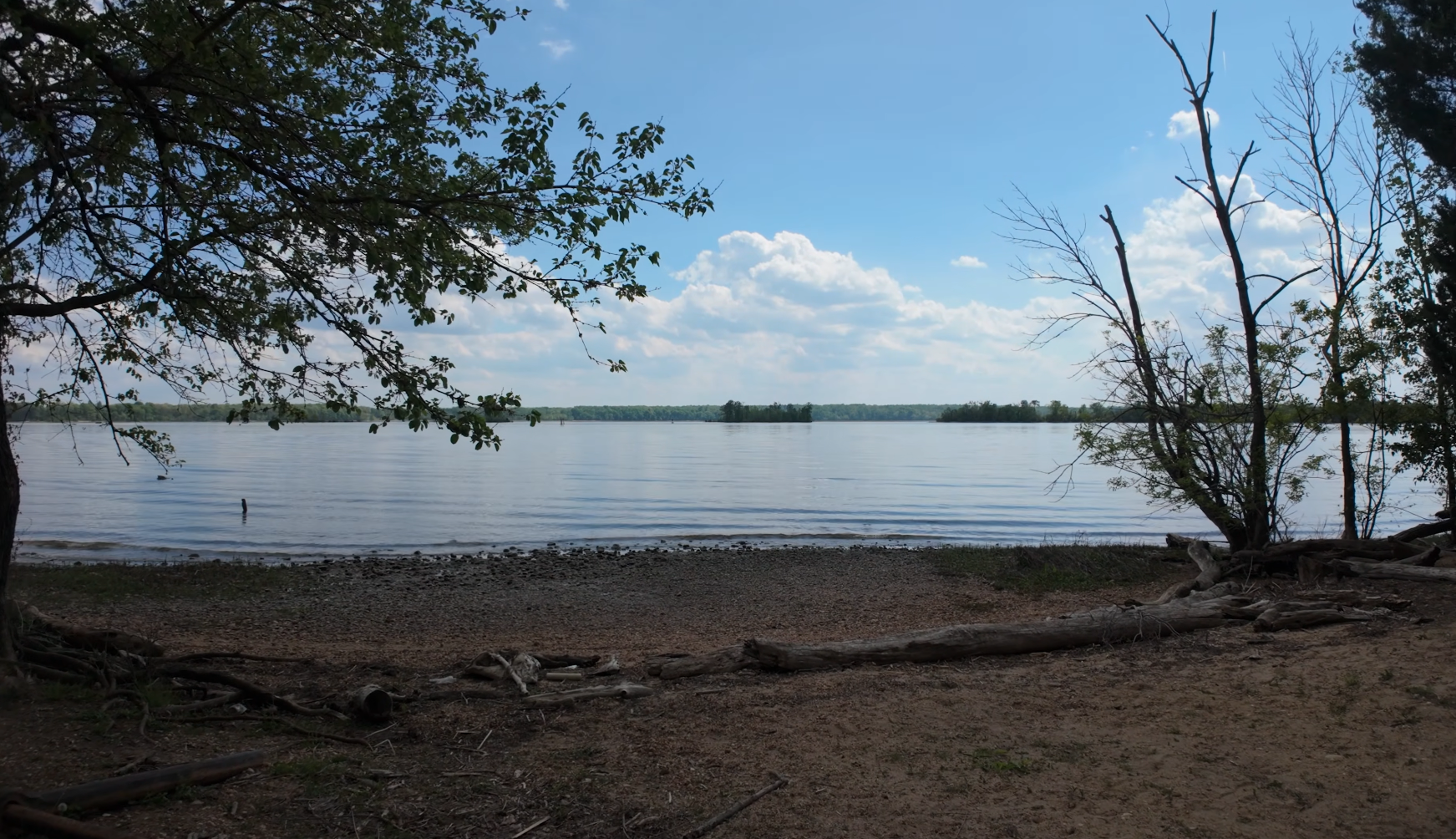
The beaches where settlers arrived.
The settlement came during a critical period in Virginia's early history, only twelve years after Jamestown was founded.
2. The Berkeley Thanksgiving Tradition
Berkeley Plantation is associated with one of America's earliest recorded Thanksgiving observances.
The Berkeley Company instructed Captain John Woodlief and the settlers arriving aboard the Margaret to observe their day of arrival with thanksgiving.
According to the instructions:
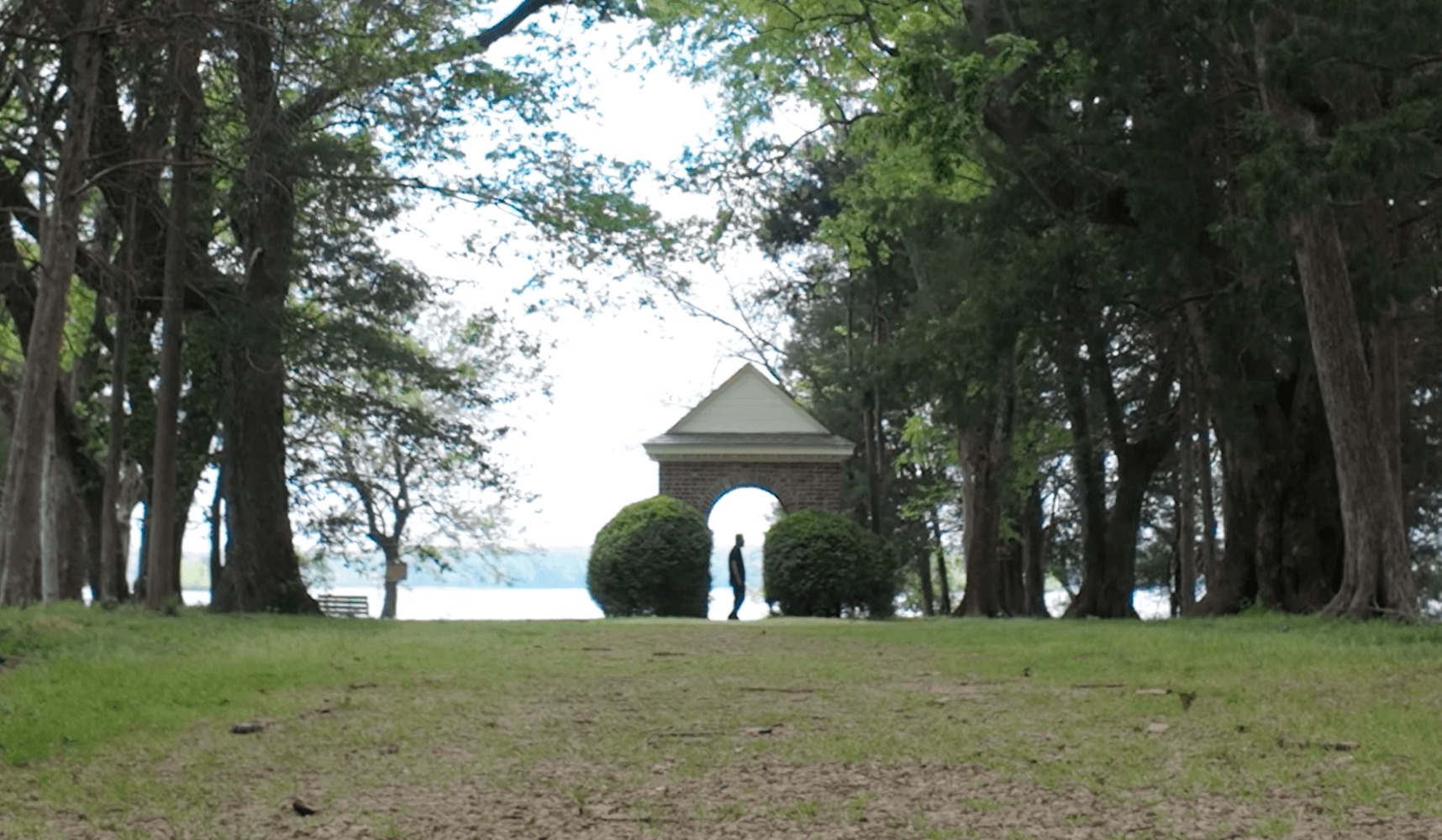
First Thanksgiving monument at Berkeley Plantation
"We ordain that this day of our ship's arrival at the place assigned for plantation in the land of Virginia shall be yearly and perpetually kept holy as a day of thanksgiving to Almighty God."
The observance occurred in December 1619, nearly two years before the 1621 harvest gathering traditionally associated with Plymouth.
While the Berkeley event and the Plymouth Thanksgiving represent different historical traditions, both reflect early moments of gratitude among English settlers in North America.
The Berkeley Mansion: A 300-Year-Old Virginia Landmark
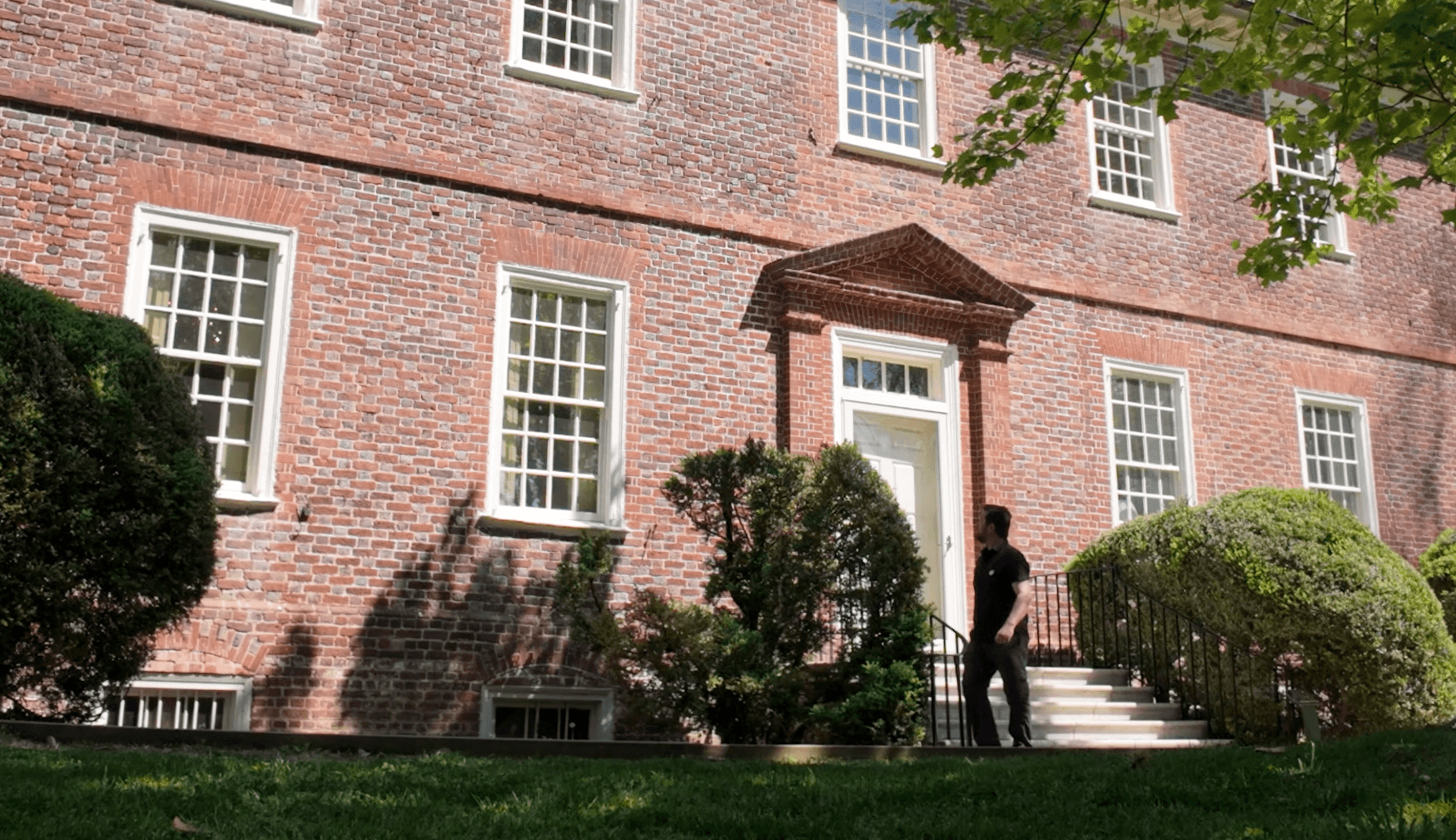
Visiting Berkeley Mansion
The mansion visitors see today was completed in 1726 by Benjamin Harrison IV.
The home represents the wealth and influence of the Harrison family during the colonial period.
The house was built using approximately 300,000 bricks made on the property and features Flemish bond brickwork, a style often associated with wealthy colonial homes.
One of the fascinating details preserved at Berkeley is a brick marked with the initials and date associated with the home's construction.
Small details like this reveal something important about historic houses: they were not simply structures. They were handmade creations shaped by the people who built them.
The Harrison Family of Berkeley Plantation
The Harrison family became one of Virginia's most prominent political families.
Several generations connected to Berkeley played important roles in American history.
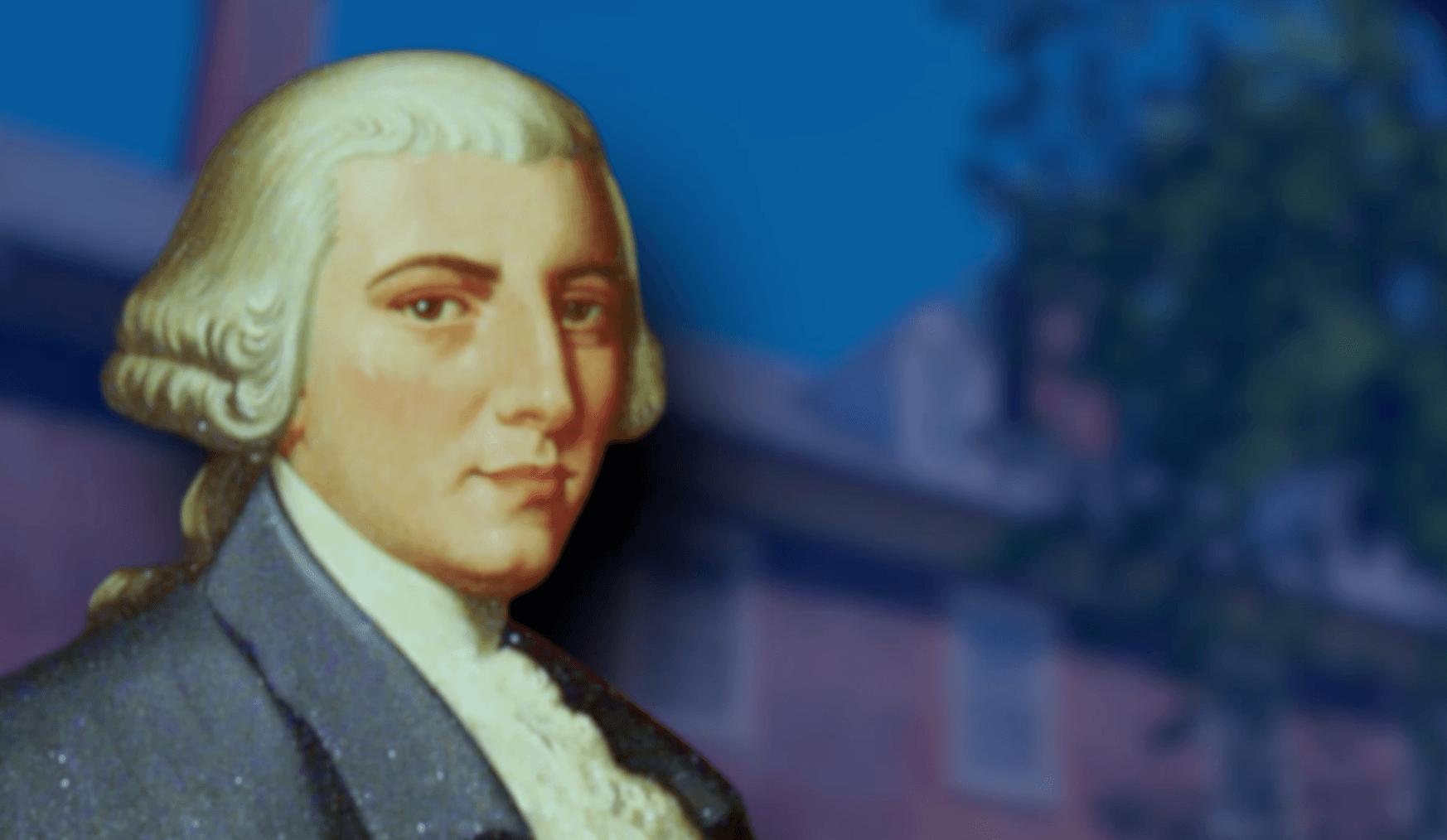
Benjamin Harrison V
Benjamin Harrison V
Born at Berkeley Plantation in 1730, Benjamin Harrison V became one of Virginia's most important Revolutionary-era leaders.
His career included:
Member of the Virginia House of Burgesses
Delegate to the Continental Congress
Signer of the Declaration of Independence
Governor of Virginia
His signature appears on one of America's founding documents, connecting Berkeley Plantation directly to the creation of the United States.
A Plantation Built on Enslaved Labor
The history of Berkeley Plantation also includes the lives of the enslaved people whose labor supported the estate for generations.
Like many large Virginia plantations, Berkeley's economy depended on agricultural production and enslaved labor.
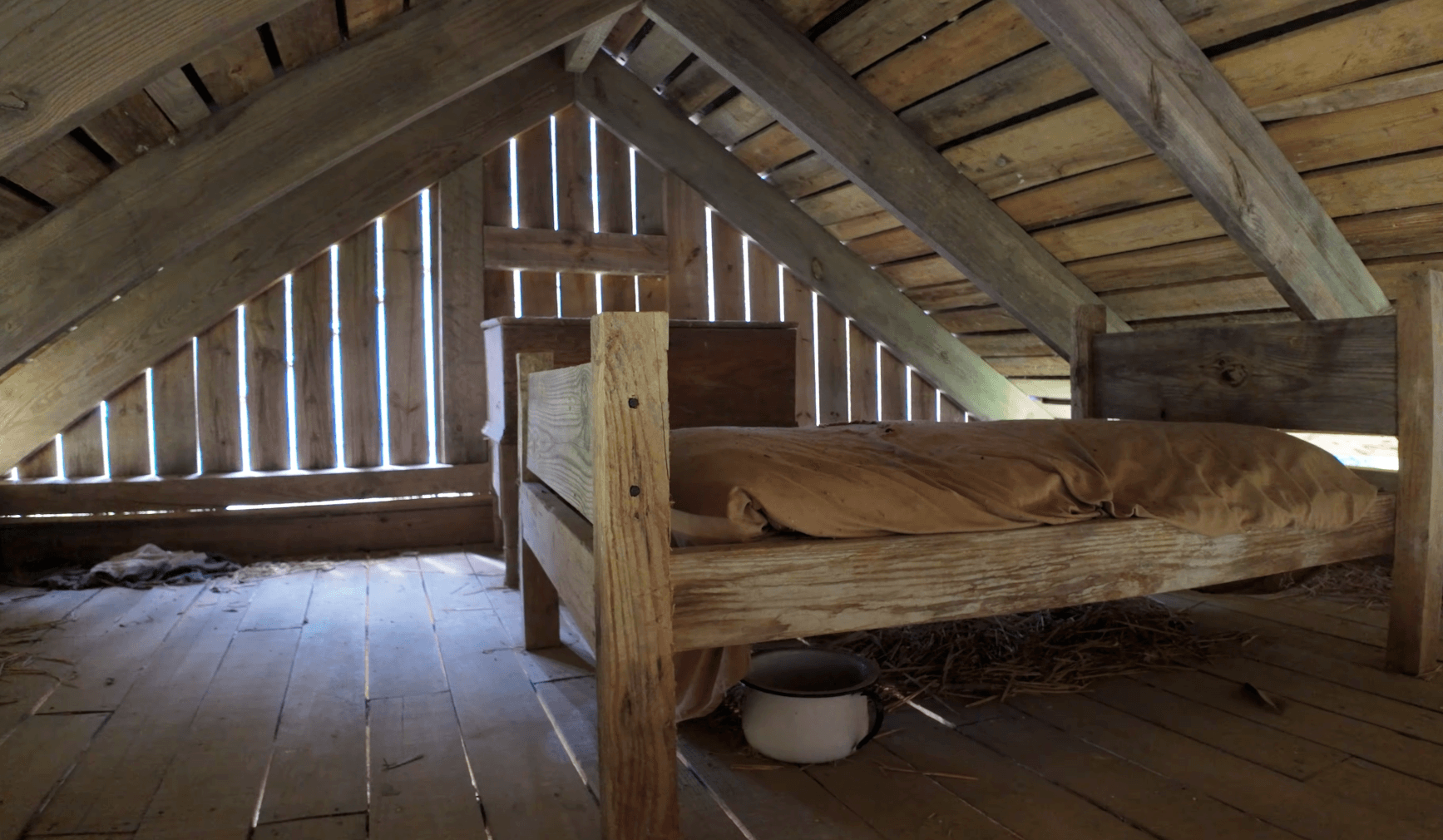
Enslaved Quarters at Berkeley Plantation
Enslaved workers built and maintained portions of the property, cultivated crops, cared for the household, and performed the daily labor that sustained the Harrison family.
Today, Berkeley includes exhibits and interpretive materials that explore this difficult but essential part of the plantation's history.
Understanding Berkeley requires looking at the experiences of everyone connected to the land, not only the prominent families who owned it.
Berkeley Plantation During the American Revolution
During the Revolutionary War, Berkeley became connected to one of the most dramatic moments of the conflict in Virginia.
In 1781, British forces under Benedict Arnold moved along the James River during a campaign against Virginia.
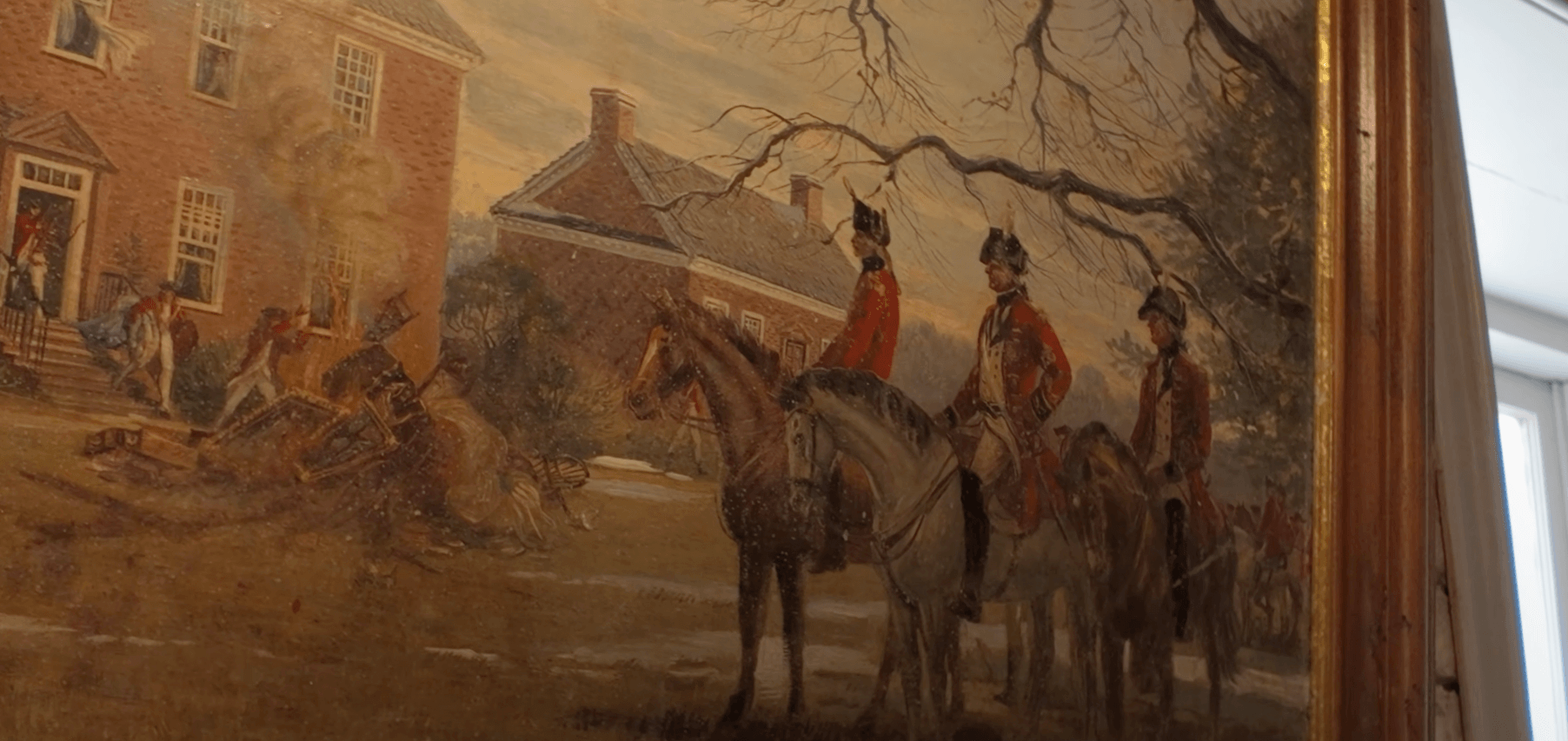
Destroying The Harrison’s valuable possessions at Berkeley Mansion, 1781
Because Benjamin Harrison V was a signer of the Declaration of Independence and a prominent patriot, Berkeley became a potential target.
The Harrison family escaped before British forces reached the property, but the estate suffered damage and destruction.
Accounts from the period describe the loss of furniture, portraits, and other possessions.
The Civil War and the Creation of Taps
One of Berkeley Plantation's most remarkable stories comes from the Civil War.
During the Peninsula Campaign of 1862, Union forces occupied the area around Berkeley, which became known as Harrison's Landing.
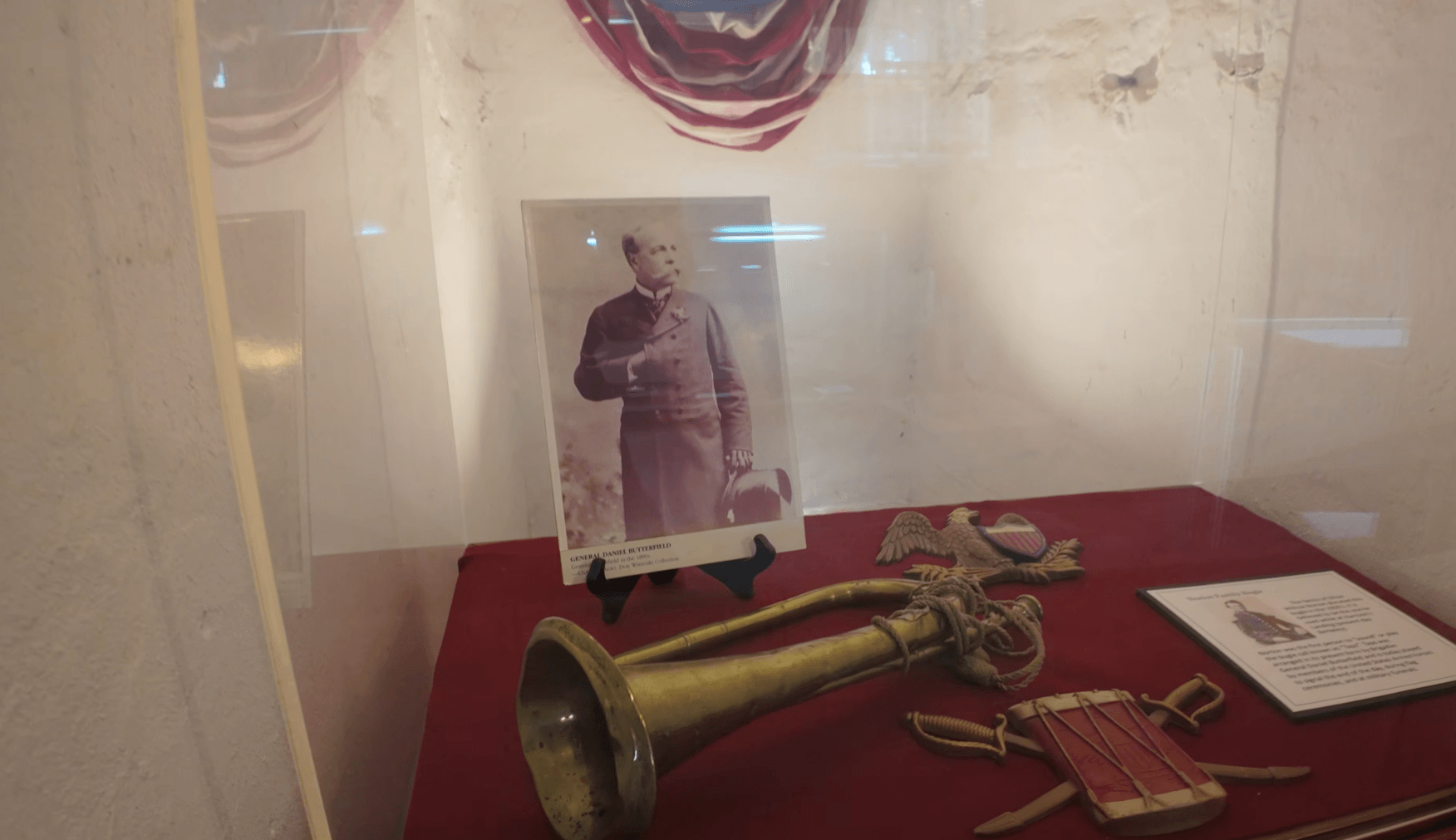
General Daniel Butterfield
It was here that Union General Daniel Butterfield worked with bugler Oliver Wilcox Norton to create a new military melody.
That melody became known as "Taps."
First played on the grounds of Berkeley Plantation in July 1862, the 24-note bugle call would eventually become one of the most recognizable military traditions in American history.
Preserving Berkeley Plantation
After the Civil War, Berkeley declined over time.
In the early 20th century, the property found new caretakers when John Jameson purchased the estate in 1907.
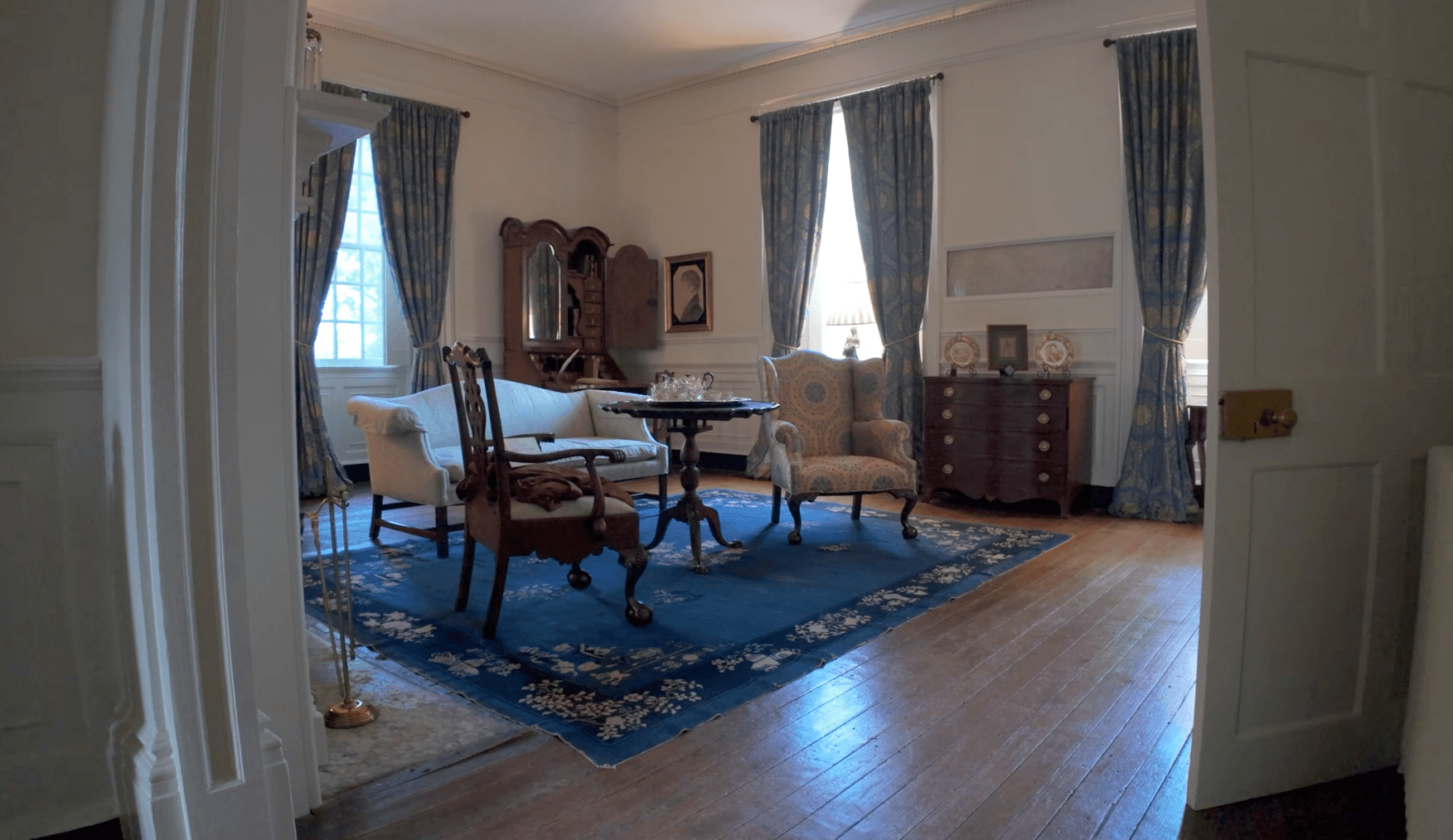
South Great Room inside Berkeley Plantation
Later, Malcolm and Grace Jameson dedicated decades to restoring the mansion, gardens, and grounds.
Their efforts helped preserve Berkeley as one of Virginia's most significant historic sites.
Visiting Berkeley Plantation Today
A visit to Berkeley Plantation allows visitors to experience multiple centuries of history in one location.
Highlights include:
The Georgian mansion
The cellar museum
Historic gardens
James River views
Civil War landmarks
The Harrison family cemetery
The most rewarding part of Berkeley is not a single artifact or story. It is seeing how many different chapters of American history exist together on one landscape.
Watch the Full Quest Capsule Documentary
The written history can introduce Berkeley Plantation, but experiencing the mansion, grounds, artifacts, and hidden details brings the story to life.
In our Quest Capsule documentary, A Land of Many Stories: Berkeley Plantation we spent the day exploring Berkeley Plantation and uncovering the stories that make this historic estate one of Virginia's most fascinating destinations.
Continue the Journey With Quest Capsule
The story does not end here.
Through Quest Capsule, filmmaker Scott Steward explores America's historic places through cinematic documentaries that uncover the people, events, and hidden details behind the locations that shaped history.
Each Quest Capsule film combines on-location exploration, historical research, and visual storytelling to bring historic sites to life for viewers around the world.
To watch the full documentaries, explore more historic locations, and follow future stories, visit:
Quest Capsule YouTube Channel: Quest Capsule on YouTube
Website:https://www.questcapsule.com
Created by independent filmmaker and storyteller Scott Steward, Quest Capsule is dedicated to preserving and sharing the stories behind America's most fascinating historic places.