
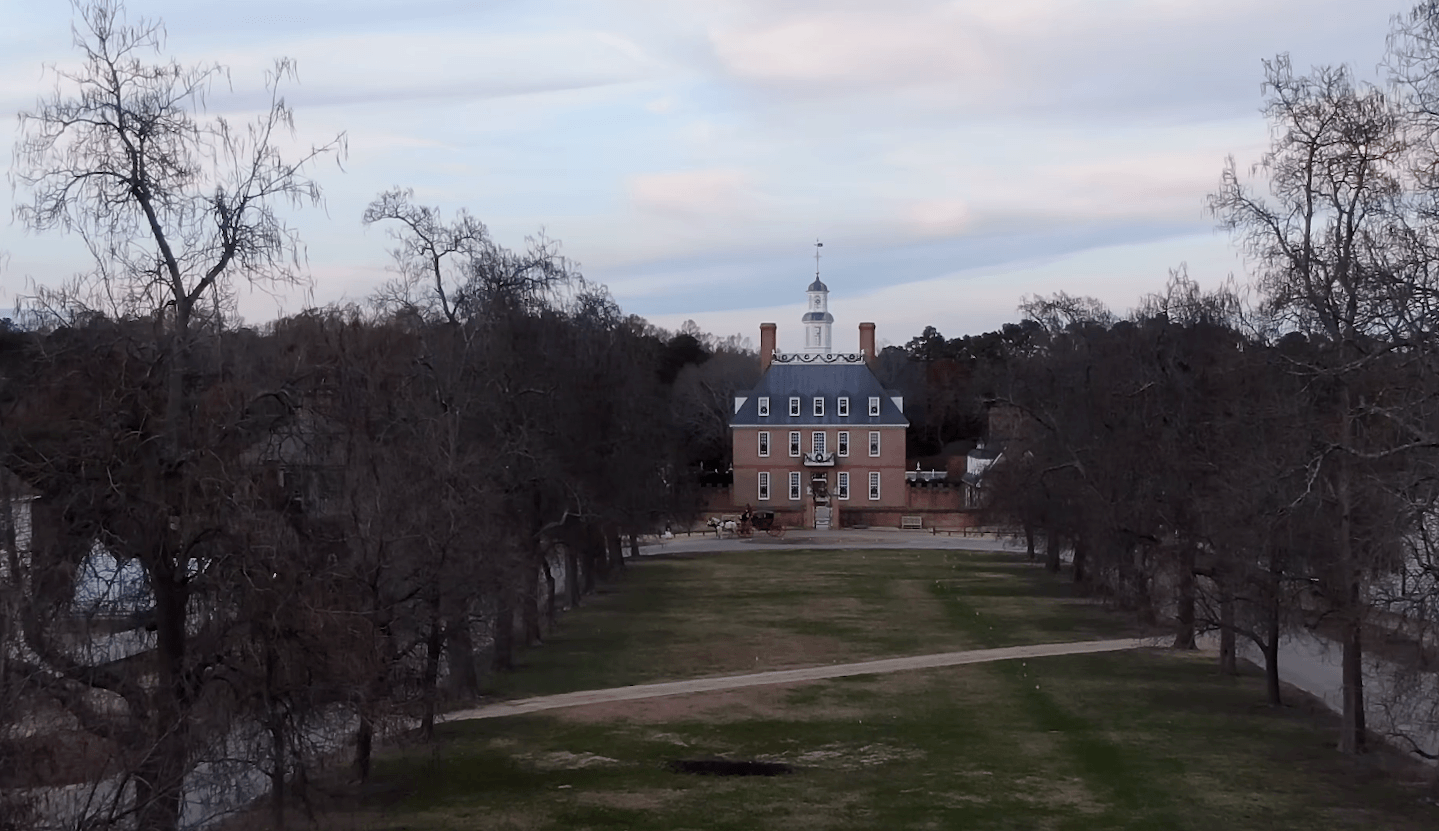
The Governor’s Palace in Colonial Williamsburg
The Governor’s Palace stands today as one of Colonial Williamsburg’s most recognizable landmarks, but its importance extends far beyond its grand architecture.
Built to represent the authority and influence of the British Crown, the palace was designed as a physical reminder that Virginia remained connected to the empire across the Atlantic. For decades, royal governors walked its halls, hosted influential guests, and conducted the business of governing one of Britain’s most important colonies.
Yet by the time John Murray, Fourth Earl of Dunmore, arrived in Williamsburg in 1771, the world surrounding the palace was beginning to change.
Behind its formal gardens, elegant rooms, and carefully maintained appearance was a colony wrestling with questions of power, representation, and independence.
The residence that had been created to display the strength of British authority would soon become the place where that authority began to unravel.
The story of Lord Dunmore and the Governor’s Palace is not simply the story of a governor or a building. It is the story of a moment when Virginia stood between two different futures, one tied to the British Empire and another moving toward revolution.
A Palace Built to Represent the Power of the Crown
The Governor’s Palace was designed to make an impression. Located at the end of Palace Green in Williamsburg, the residence occupied a prominent position within Virginia’s colonial capital. Visitors approaching from Duke of Gloucester Street would have immediately understood the relationship between the governor, the government, and the authority of the Crown.
Unlike an ordinary private residence, the palace was meant to communicate status and power. Its formal gardens, impressive brick exterior, and carefully designed rooms reflected the traditions of European government. It was a place where diplomacy, ceremony, and politics came together.
Inside, the message continued. The entrance hall welcomed visitors with an impressive display of military weapons, reinforcing ideas of order and strength. The formal rooms provided the setting for official dinners, meetings, and gatherings with Virginia’s most influential figures. Every detail was designed to remind visitors that the governor represented the authority of the British monarch.
For generations, the palace successfully fulfilled that purpose. It stood as a symbol of stability in a colony that was growing in wealth and influence. But by the 1770s, the same building that represented British confidence would become the stage for one of the empire’s greatest challenges.
Lord Dunmore Arrives in a Colony on the Brink of Change
When John Murray, Fourth Earl of Dunmore, arrived in Virginia, he stepped into one of the most complicated political environments in British America.
As a Scottish nobleman and military officer, Dunmore brought experience and confidence to his new position. From the Governor’s Palace, he expected to continue the traditions of royal leadership that had guided Virginia for generations.
At first glance, the palace seemed to provide everything required for a successful governorship. It offered an impressive residence, formal spaces for entertaining, and a setting that reinforced his position as the King’s representative.
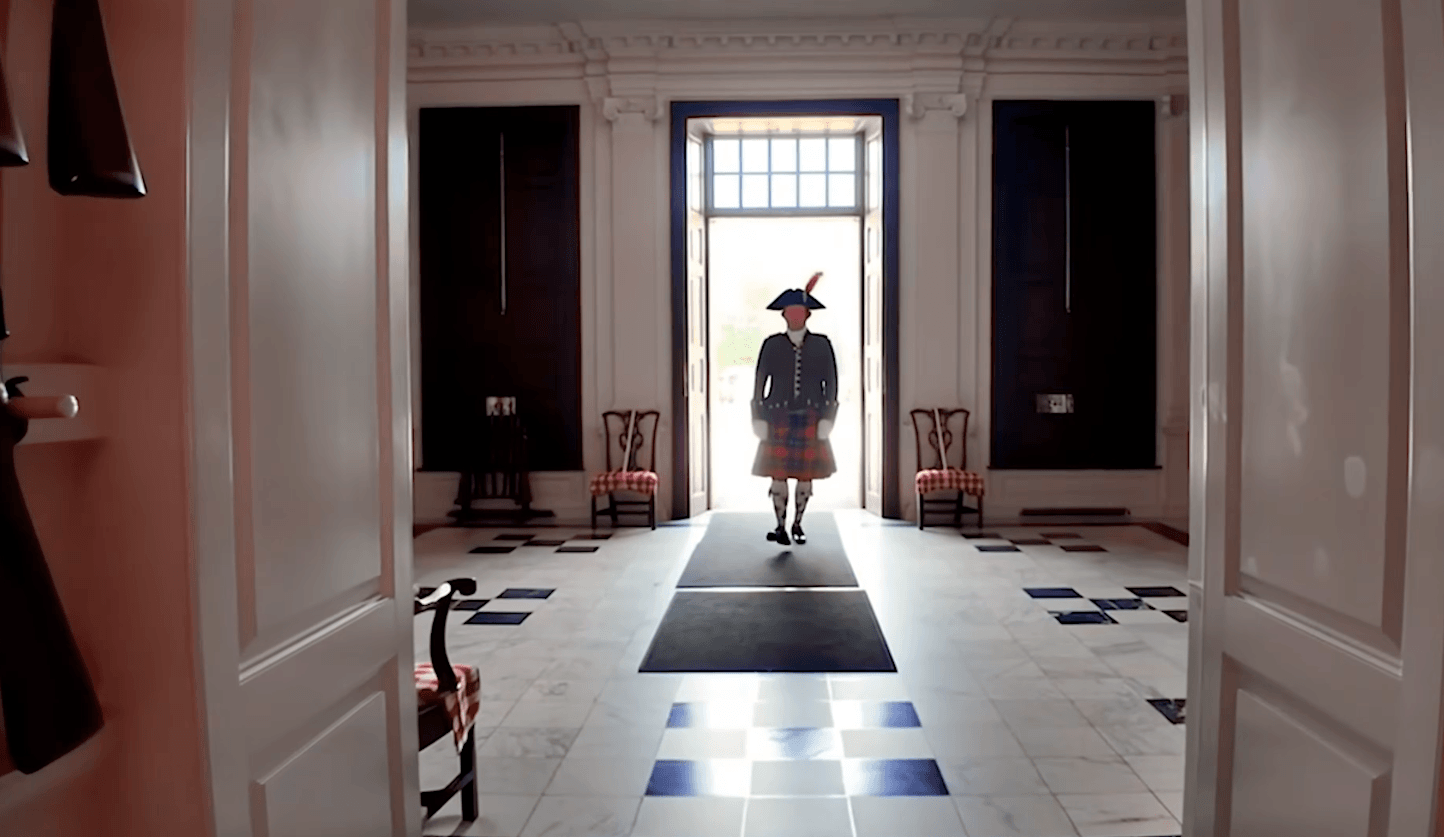
Governor’s Palace Entrance Hall
Dunmore could host dinners in the formal rooms, meet with colonial leaders, and conduct the affairs of government surrounded by the symbols of royal authority.
However, the political landscape outside the palace walls was becoming increasingly unstable.
Many Virginians were growing frustrated with British policies and what they believed were attempts to limit colonial rights. The same leaders who entered the palace to discuss government affairs were also meeting elsewhere in Williamsburg to debate how Virginia should respond.
Dunmore had inherited a magnificent residence, but he had also inherited a colony beginning to question the very system he represented.
When a Royal Residence Became a Family Home
For the first years of Dunmore’s time in Williamsburg, the Governor’s Palace lacked something essential: his family. While he carried out his responsibilities as governor, Lady Charlotte Dunmore and their children remained in England, leaving the upper apartments of the palace largely quiet.
That changed in 1774 when Lady Dunmore arrived with six of their children. Williamsburg celebrated the arrival of the governor’s family with elaborate displays of welcome.
Streets were illuminated, crowds gathered, and the city embraced the arrival of the woman who would bring a new sense of life to the palace.
For a brief moment, the residence became more than a symbol of government. It became a home.
The upstairs rooms that had once sat silent now became active family spaces. Servants carried out the daily routines required to maintain a large household. Children moved through the residence, fireplaces burned, and the formal rooms of the palace gained a sense of everyday life.
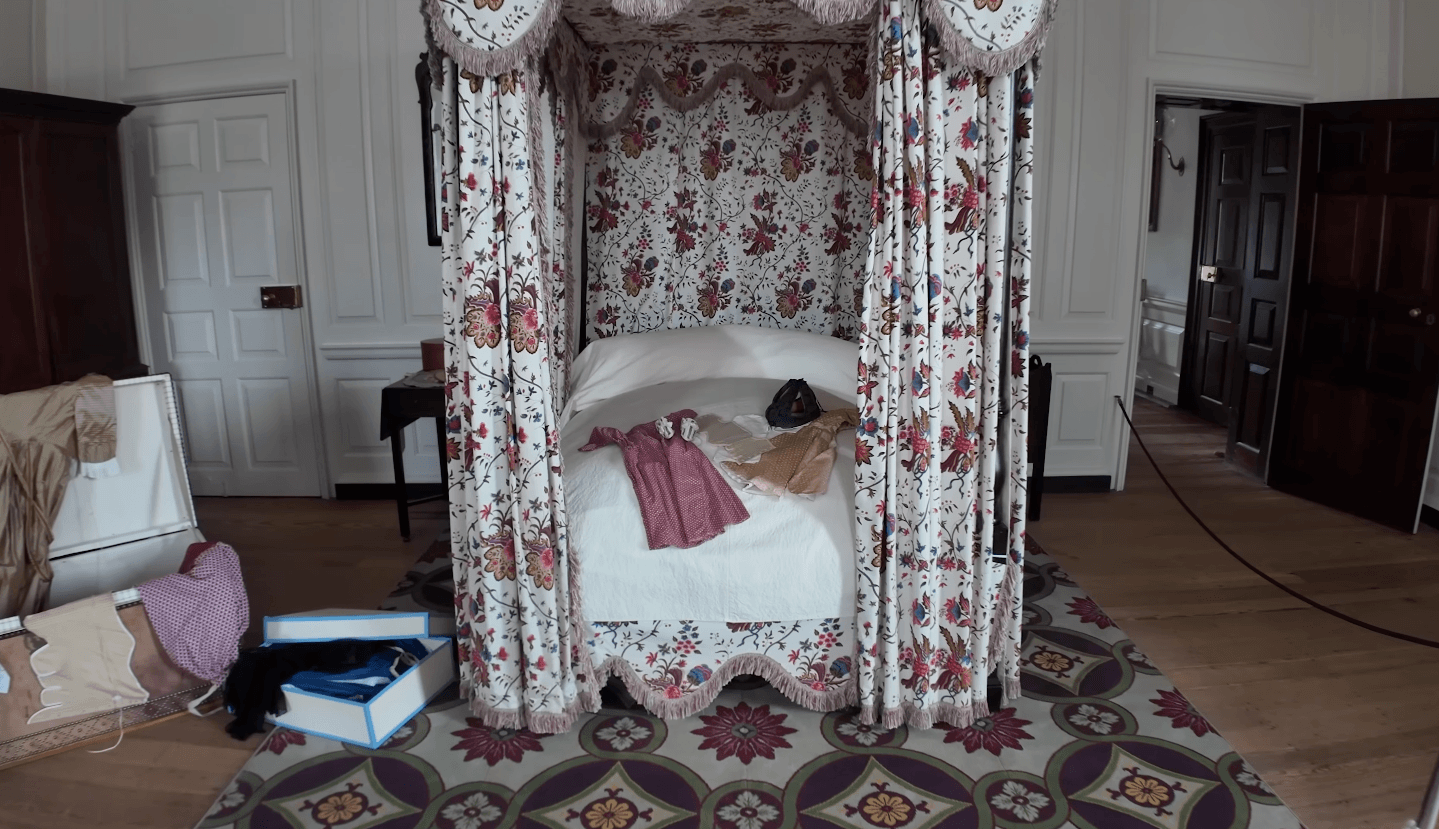
Governor’s Palace Bed Chamber
This transformation creates one of the most fascinating contrasts in the palace’s history. At the exact moment when the Dunmore family was settling into their new home, Virginia itself was moving toward a confrontation that would threaten everything the palace represented.
The Palace Surrounded by a Growing Revolution
The political conflict developing in Virginia was not confined to government buildings. It could be heard throughout Williamsburg, from merchants discussing British policies to citizens gathering in taverns to debate the future of the colony.
The Raleigh Tavern became one of the most important meeting places in Virginia’s political movement. There, colonial leaders including Patrick Henry, Thomas Jefferson, Richard Henry Lee, and others helped create the Committee of Correspondence, an effort that allowed Virginia to communicate with other colonies and coordinate responses to British actions.
These meetings represented a significant change. The colonies were beginning to see themselves as connected by a shared struggle.
To Dunmore, these actions challenged the authority he had been sent to protect.
The Governor’s Palace was built as a place where royal decisions flowed outward into the colony. Instead, the colony’s growing resistance was now moving toward the palace itself. Dunmore could dissolve assemblies and issue orders, but he could not stop the ideas spreading through Virginia.
The residence that symbolized control was becoming a witness to the loss of control.
The Palace and the Hidden Stories Within Its Walls
Although the Governor’s Palace is remembered primarily for the political events that took place there, it was also a working household filled with everyday activity. Behind the formal rooms were kitchens, storage areas, cellars, gardens, and service spaces that kept the residence functioning.
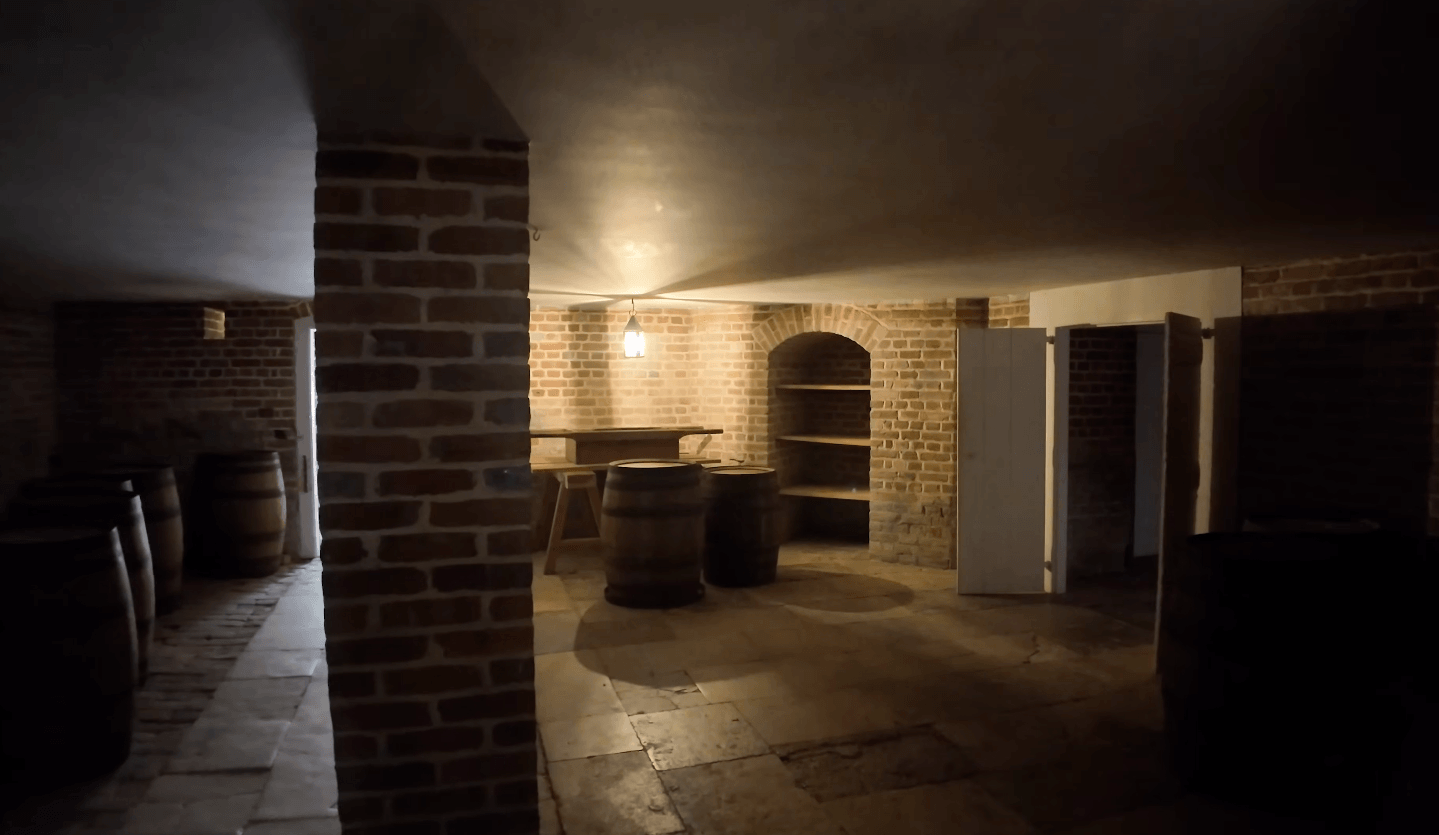
The Cellar At The Governor's Palace
Archaeological discoveries from the site have helped reveal this less visible side of the palace. Fragments of ceramics, glass, building materials, and other artifacts provide evidence of the people who maintained the household and the daily routines that supported life inside the residence.
These discoveries also remind visitors that the palace’s history extends beyond governors and political leaders. The operation of such an impressive household depended heavily on enslaved laborers who maintained the gardens, prepared meals, and performed the work necessary to sustain the appearance of royal life.
The grandeur of the Governor’s Palace tells one story. The evidence left behind tells another. Together, they reveal a much more complete picture of colonial Virginia.
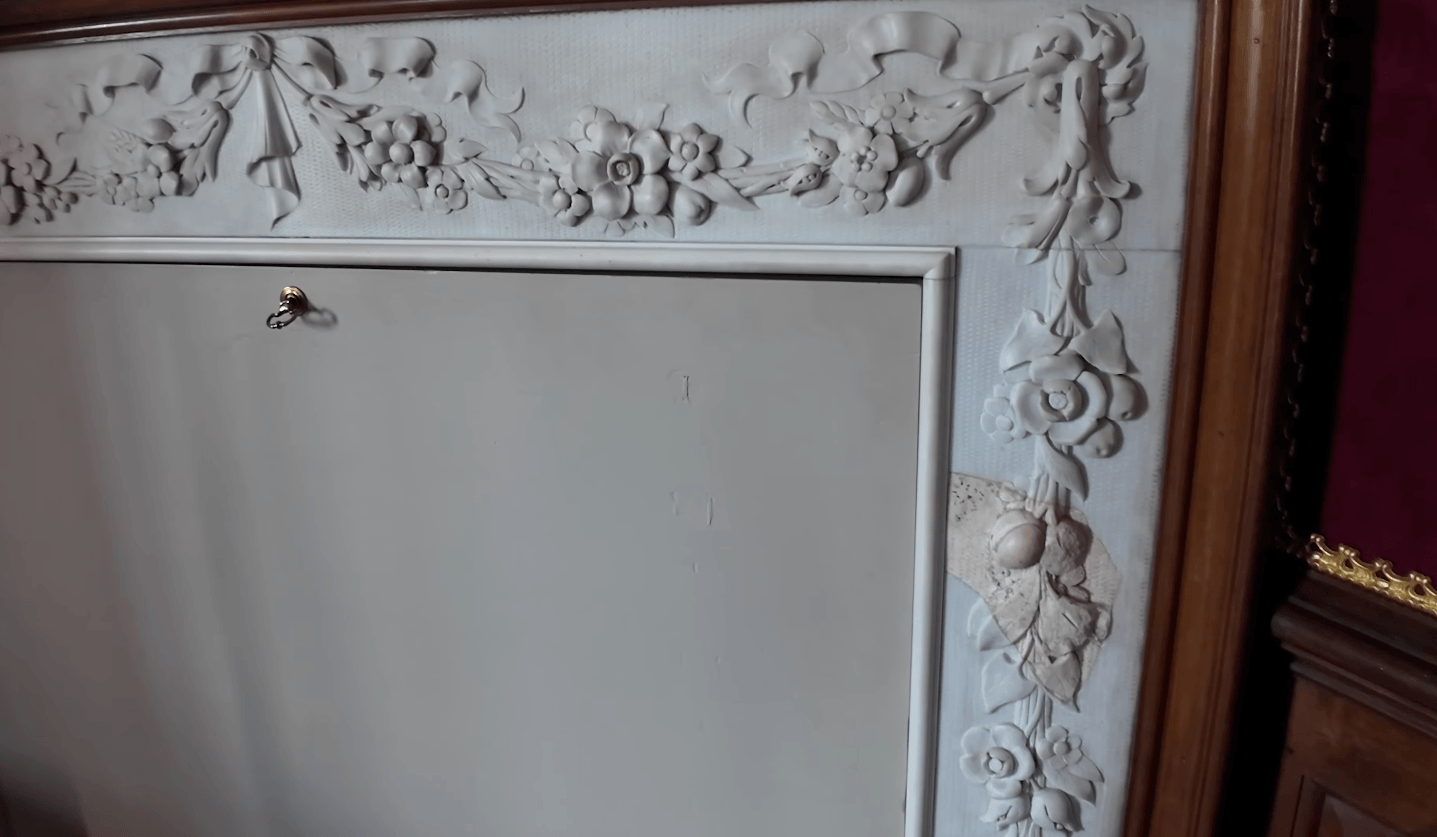
Archaeological artifacts from the Governor’s Palace excavation.
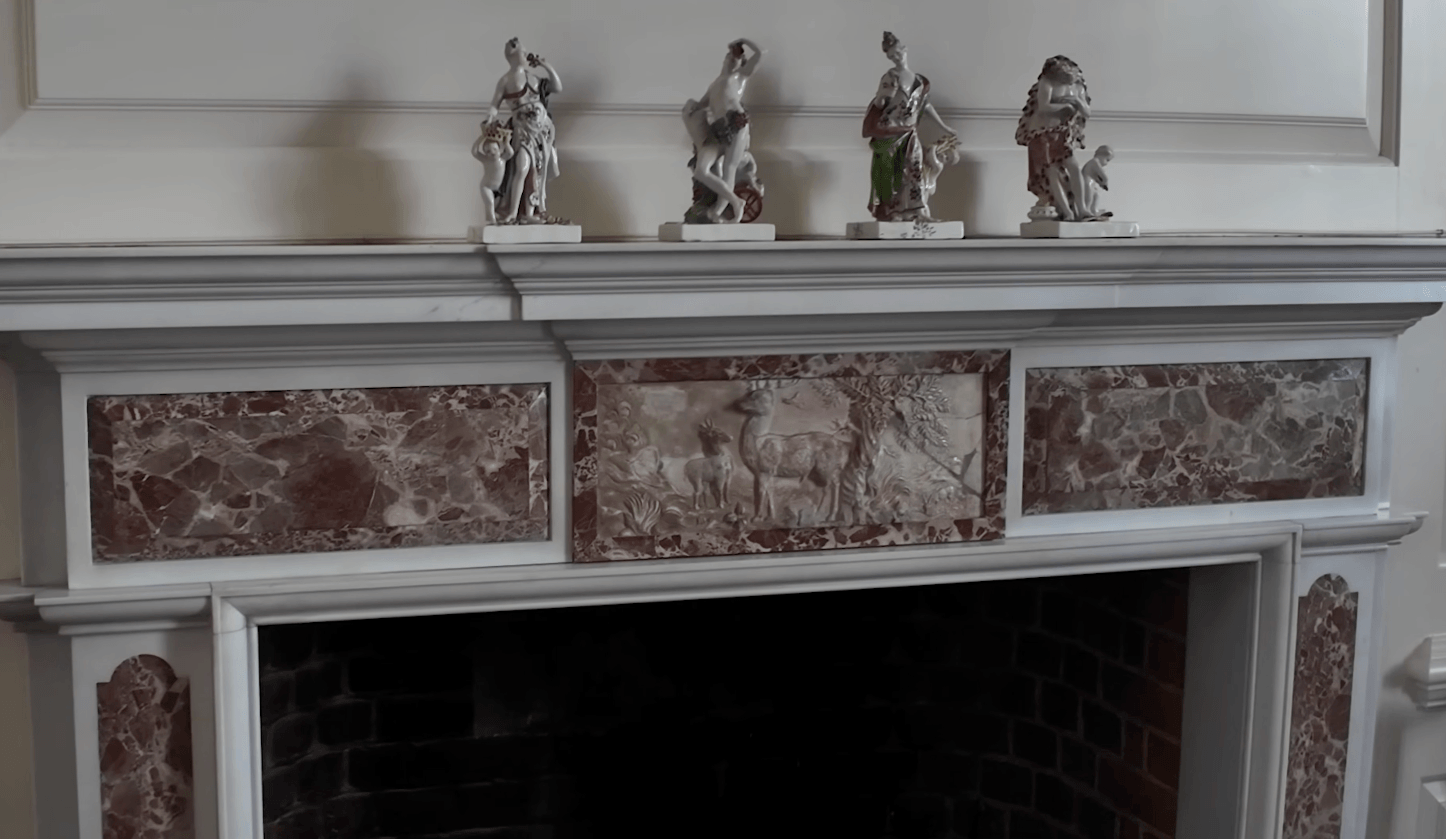
Marble remnants from the original Governor’s Palace.
The Night the Meaning of the Palace Changed Forever
By 1775, tensions between Virginia and Britain had reached a breaking point. Following the first fighting of the American Revolution in Massachusetts, Dunmore became increasingly concerned about the possibility of rebellion spreading into Virginia.
His decision to remove gunpowder from Williamsburg’s Powder Magazine became one of the defining moments of his governorship.
From Dunmore’s perspective, securing the colony’s military supplies was a precaution. To many Virginians, however, it appeared to be an act of aggression by a governor attempting to weaken the colony’s ability to defend itself.
The reaction was immediate. Anger spread through Williamsburg as citizens gathered and militia forces began moving toward the capital. The Governor’s Palace, once a symbol of protection and royal stability, was now viewed by many as the center of a government they no longer trusted.
The crisis revealed something important: the power of the palace had always depended on the willingness of Virginians to accept the authority behind it.
That acceptance was disappearing.
The End of Royal Williamsburg
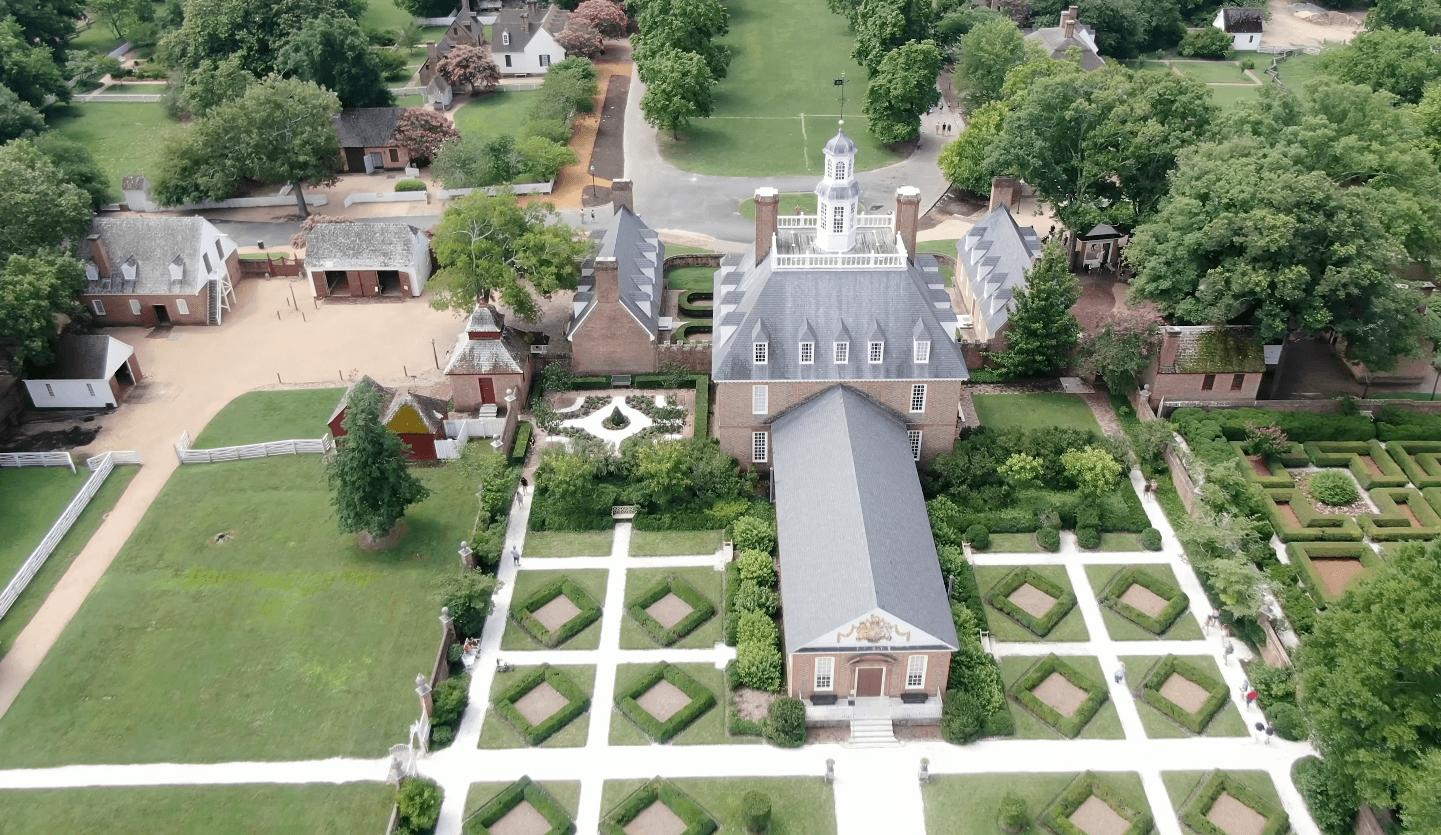
Aerial Image of The Governor's Palace in Colonial Williamsburg
As tensions continued to rise, Dunmore’s position became impossible to maintain. The palace that had once been filled with official gatherings and family activity now represented uncertainty and conflict.
Eventually, Lady Dunmore and the children were sent to the safety of a British warship. Dunmore remained behind briefly, attempting to hold onto the final pieces of his authority, but the relationship between the royal governor and Virginia had already collapsed.
In June of 1775, Dunmore left Williamsburg.
The last royal governor of Virginia had departed the colonial capital, leaving behind the residence that had once represented the strength of the Crown.
The building remained. The government it represented did not.
A Palace Reborn in a New Nation
The Governor’s Palace would soon take on a completely different meaning. After Virginia moved toward independence, the residence became associated with a new form of leadership rather than royal authority.
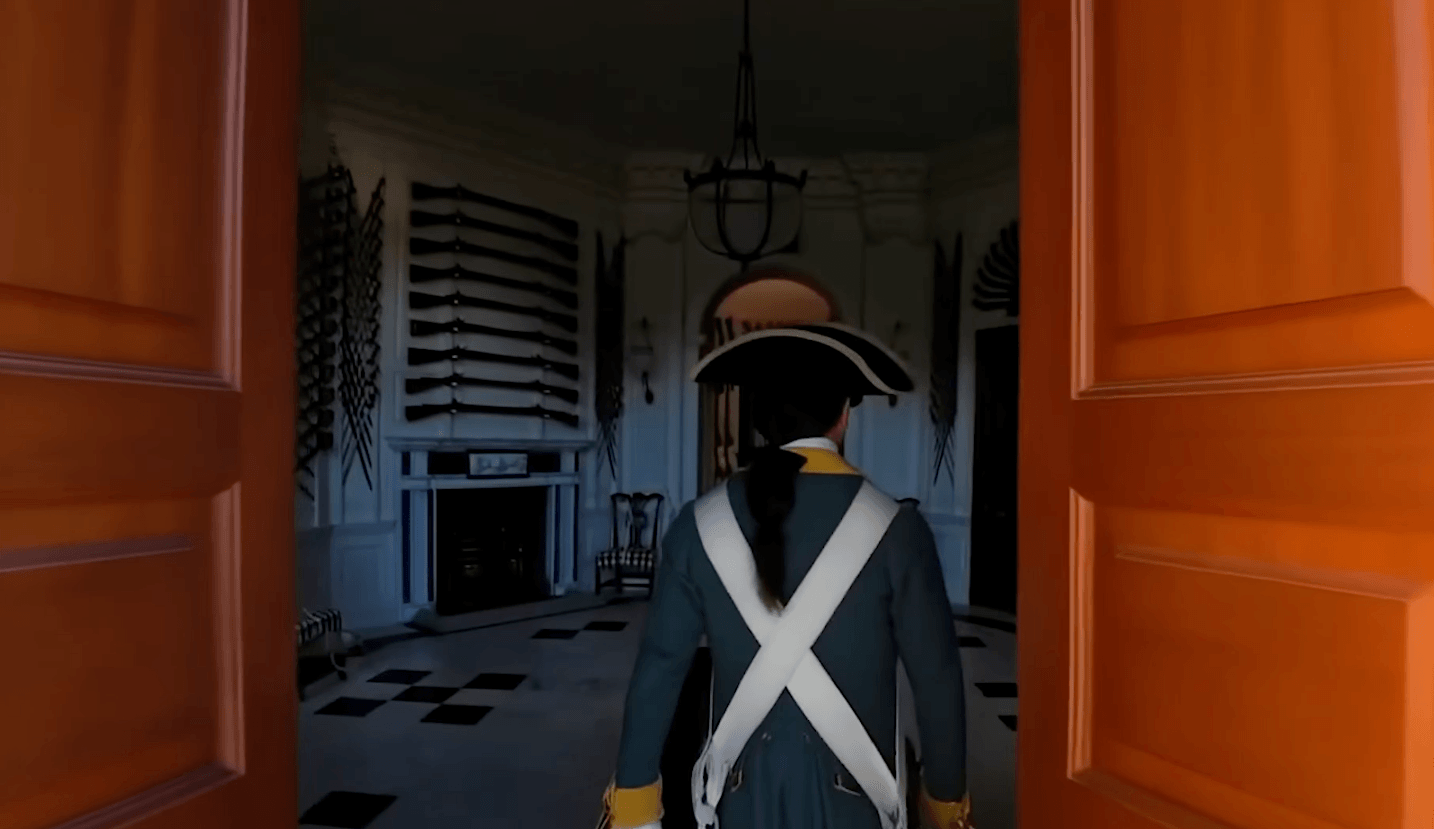
Patrick Henry arrives as Virginia’s first revolutionary governor.
When Patrick Henry became Virginia’s first revolutionary governor, he occupied the same rooms that had once belonged to the representative of the British monarch.
The symbolism was extraordinary.
A building designed to demonstrate loyalty to the Crown now represented the independence of Virginia.
The palace had not changed, but the meaning people attached to it had.
Experiencing the Governor’s Palace Today
Today, visitors walking through the Governor’s Palace at Colonial Williamsburg are experiencing more than an impressive reconstruction of an eighteenth-century residence. They are entering a place where personal stories, political conflict, and revolutionary change all came together.
Although the current structure is reconstructed, archaeological discoveries have helped historians understand the original palace. Pieces of recovered marble and other materials connect the modern building to the residence that stood during Lord Dunmore’s time.
The palace remains powerful because of the events that unfolded there. It was a place of celebration and uncertainty, family life and political conflict, tradition and transformation.
Standing on Palace Green today, visitors can imagine the moment when Virginia’s colonial world began to disappear and a new chapter of American history began to emerge.
[Suggested Image: Governor’s Palace viewed across Palace Green at sunset]
To experience the complete cinematic story of Lord Dunmore, the Governor’s Palace, and Williamsburg’s final days as a royal capital, explore the Quest Capsule documentary.
About Quest Capsule
Quest Capsule is the official website and documentary library of independent filmmaker, explorer, and storyteller Scott Steward.
Through cinematic historical documentaries filmed at America’s most significant historic locations, Quest Capsule explores the people, places, and events that shaped the past. Each film combines on-location exploration, historical research, and visual storytelling to bring forgotten stories and familiar landmarks to life.
Explore the complete collection of documentaries on the Quest Capsule YouTube channel and visit the official Quest Capsule website for more historical stories.
Created independently by Scott Steward, Quest Capsule preserves history through immersive documentary filmmaking and storytelling.