
When visitors stand on Duke of Gloucester Street in Colonial Williamsburg today, the Capitol immediately draws their attention.
Rising at the eastern end of the historic area, it represents Virginia’s colonial government, the debates that shaped the colony, and the generations of leaders who passed through its doors.
But the Capitol standing today is not the same building that witnessed one of the most unsettling moments in Williamsburg’s colonial history.
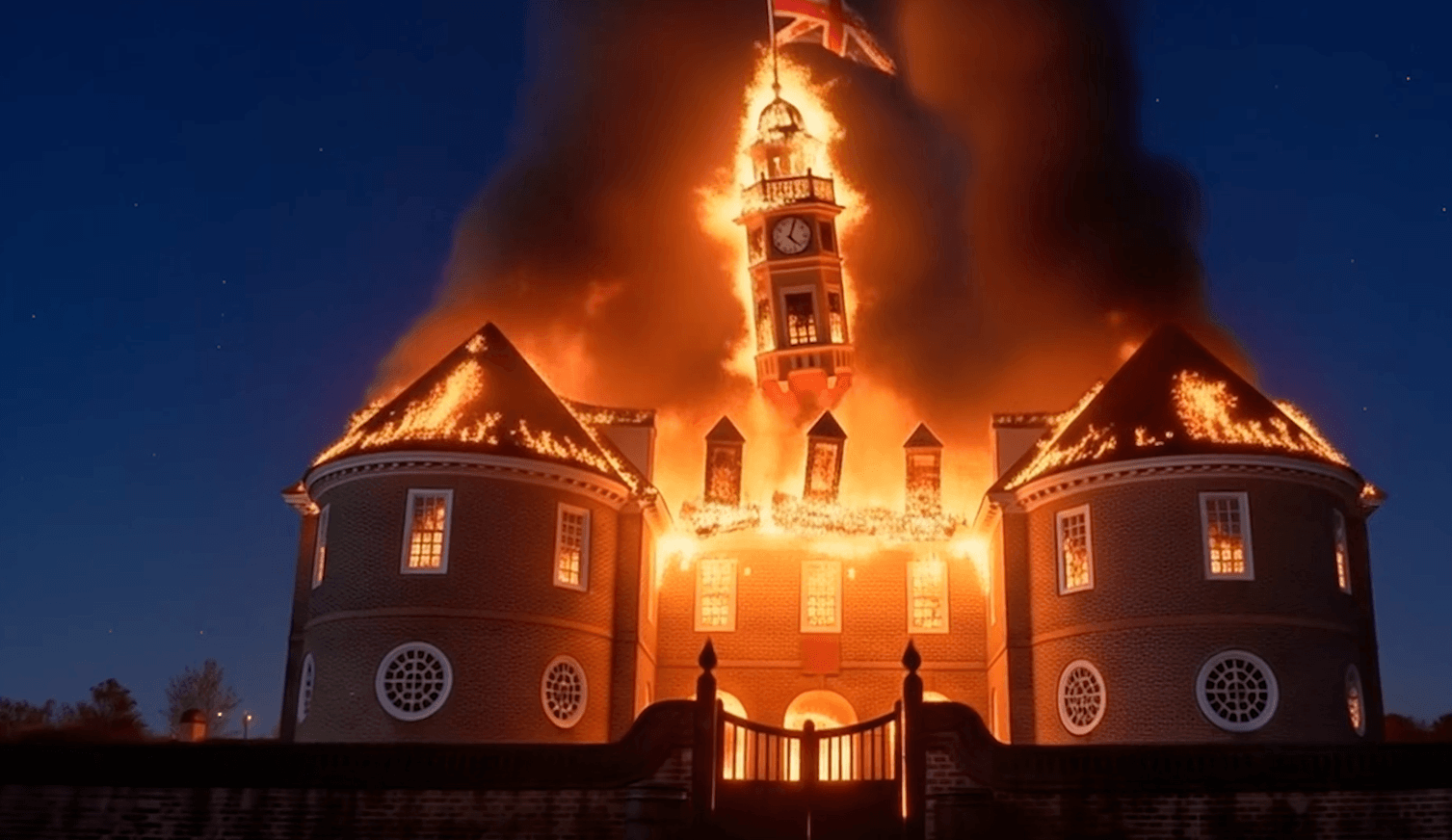
Depiction of The Capitol In Colonial Williamsburg On Fire
In January 1747, the first Capitol of Williamsburg was destroyed by fire. The disaster sent shockwaves through Virginia’s capital and left behind a mystery that historians are still examining centuries later.
Was it an accident? Was it something more deliberate? And why did the destruction of one building create such fear and uncertainty throughout the colony?
The answers reveal a fascinating story about power, politics, faith, and the fragile nature of life in colonial America.
The Building That Held Virginia’s Power
In the 1740s, Williamsburg was the center of Virginia’s political world.
The Capitol was not simply a government building. It was where the colony’s laws were debated, where representatives gathered, and where decisions were made that affected thousands of people across Virginia.
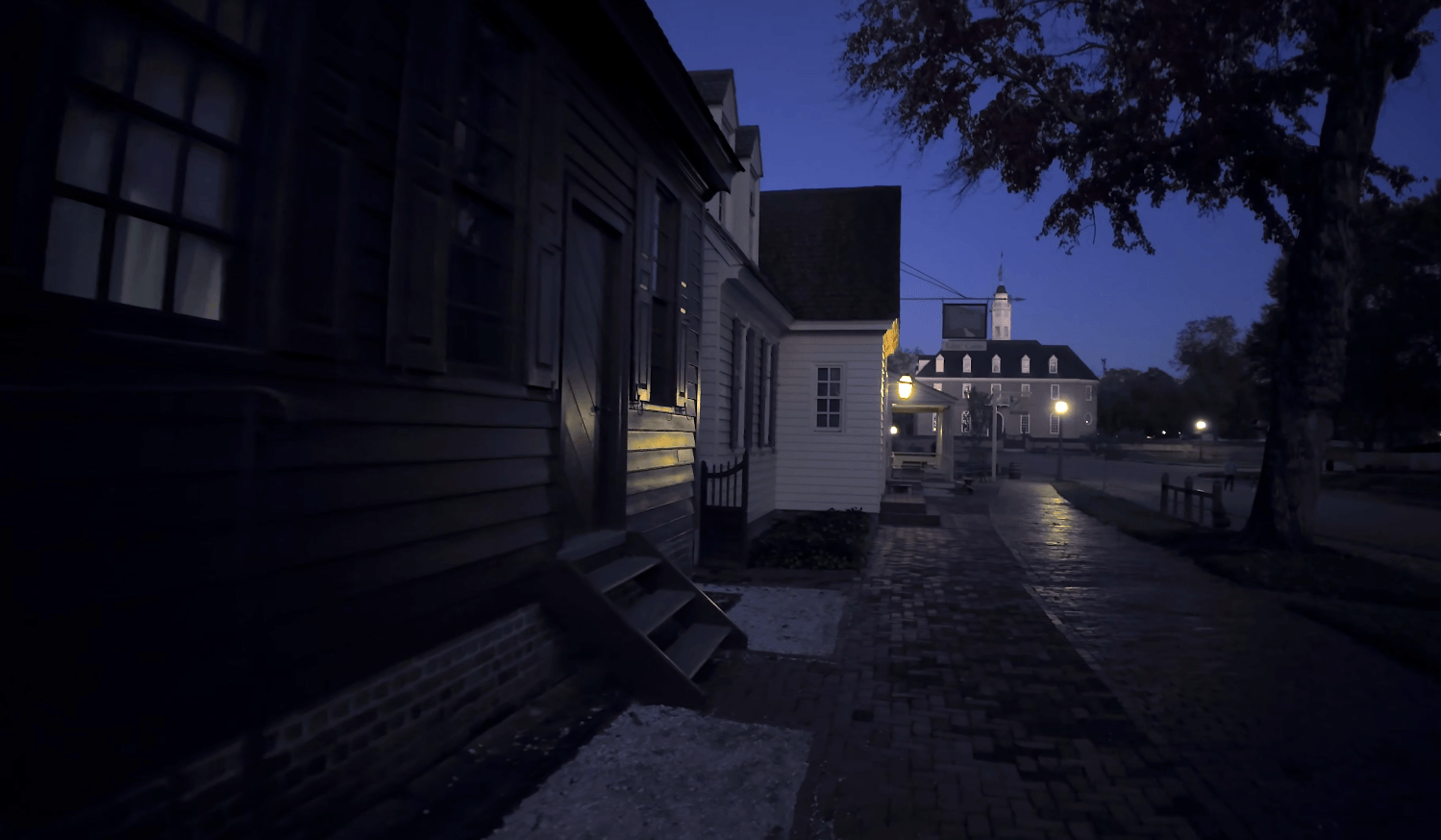
Colonial Williamsburg Capitol Exterior From Duke of Gloucester Street
To modern visitors, it can be easy to view historic government buildings as symbols of the past. But for people living in colonial Williamsburg, the Capitol was part of everyday life.
A decision made inside those walls could influence land disputes, business agreements, taxation, and the future of families throughout the colony.
The building stood alongside other important landmarks, including the Governor’s Palace and the College of William & Mary, creating a small but powerful center of political and cultural activity.
During my many visits to Colonial Williamsburg, one of the things that has always stood out to me while roaming the city is just how close everything is to one another. Walking between these buildings today, it becomes easier to imagine how connected the people of Williamsburg would have been.
The conversations happening inside government chambers did not stay there. They moved through streets, shops, and taverns throughout the city.
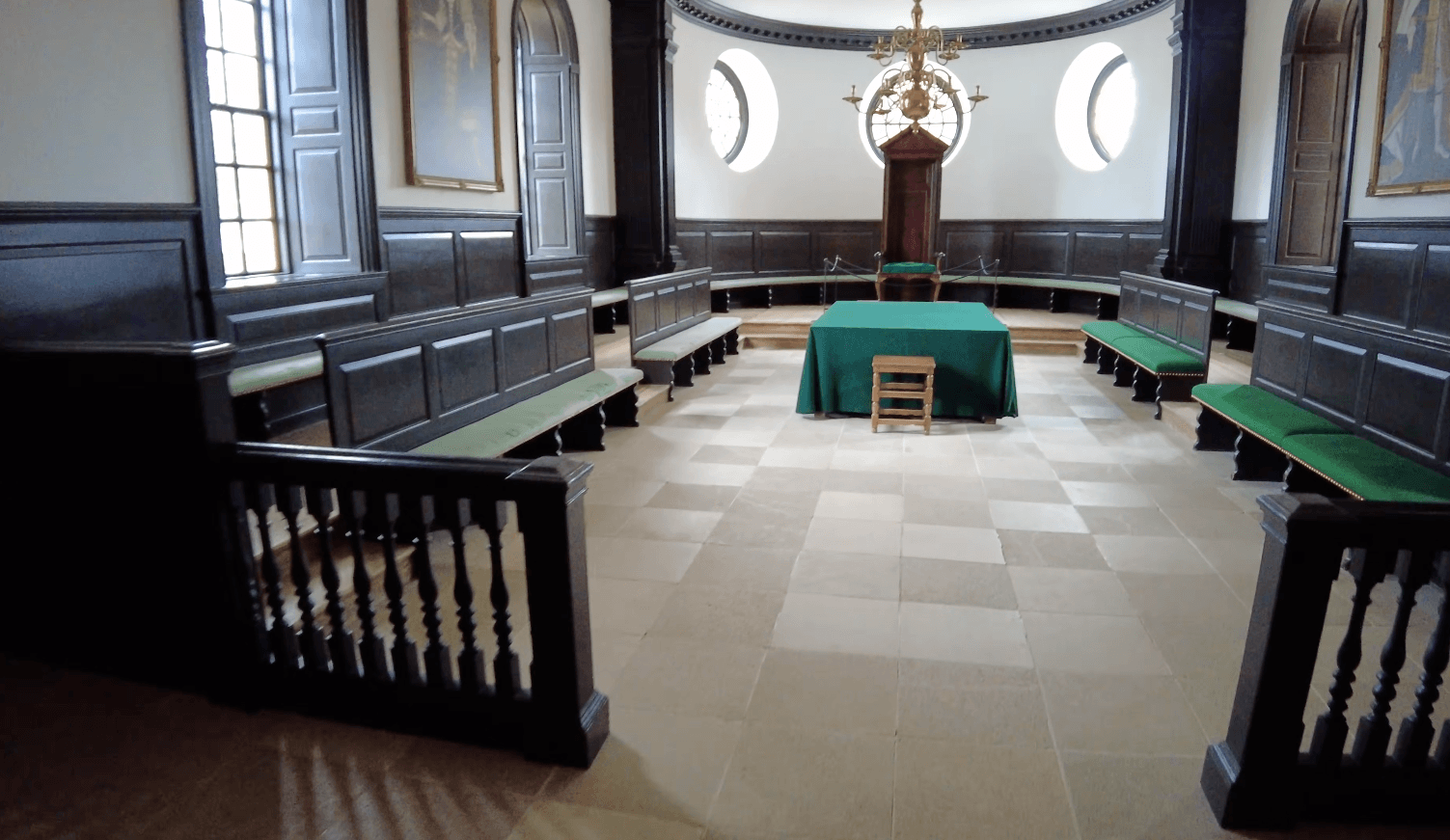
Colonial Williamsburg Capitol House of Burgesses Chamber Interior
A Fire That Changed Williamsburg Overnight
On January 30, 1747, that familiar symbol of colonial authority was suddenly gone.
The Capitol, which had stood as a constant presence in Williamsburg for decades, was consumed by fire. The destruction left residents facing the loss of one of the most important buildings in Virginia.
Yet the physical damage was only part of the story.
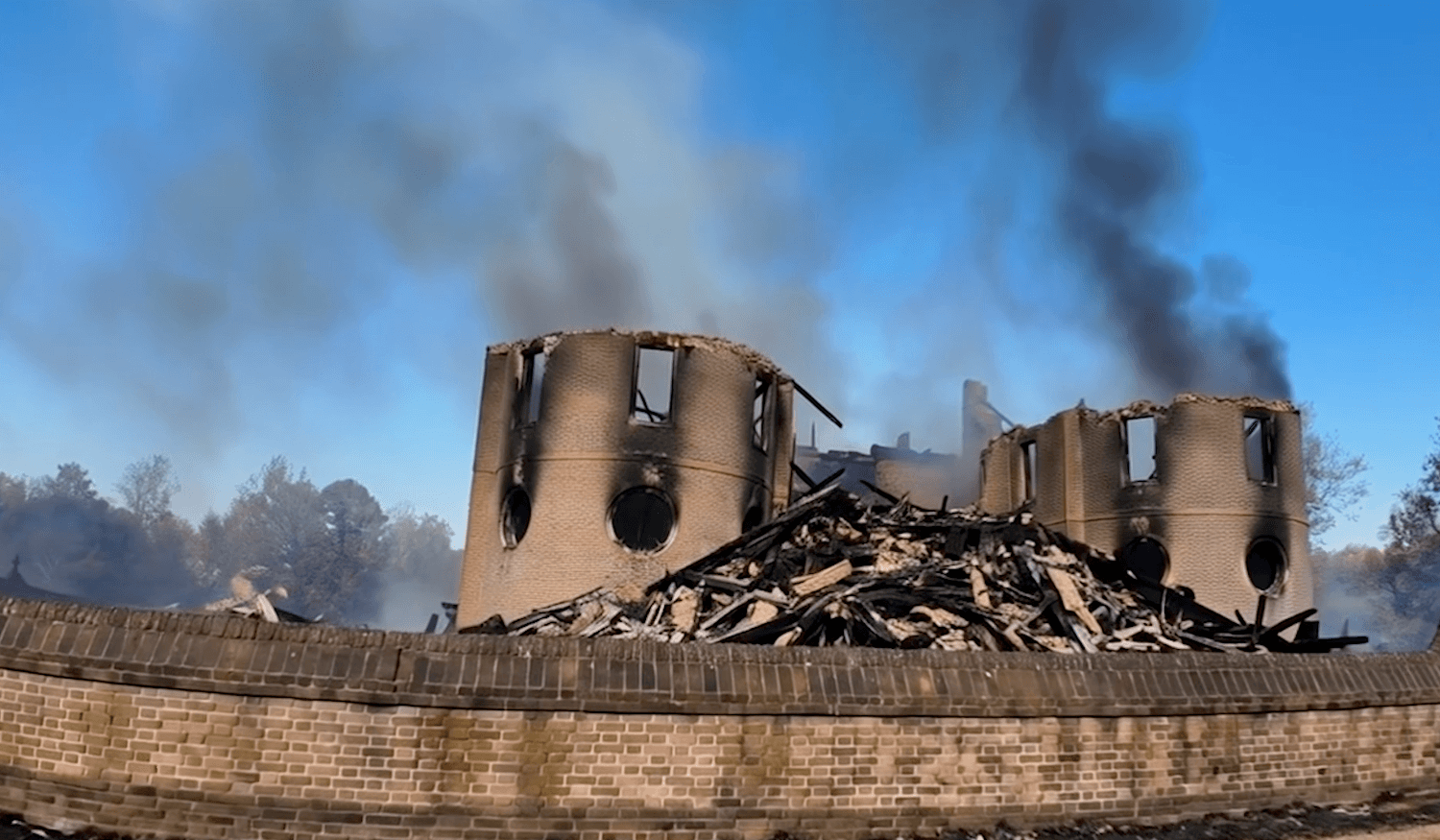
Colonial Williamsburg Capitol Ruins Depiction
The Capitol contained important records and represented the stability of colonial government. Its destruction created uncertainty and raised immediate questions about how such a disaster could have happened.
The efforts of individuals who entered the burning building to save important documents became one of the defining moments of the event. Preserving those records meant preserving the history, property rights, and legal foundation of the colony itself.
Accident or Deliberate Act?
The greatest mystery surrounding the Capitol fire is one that remains unanswered today. What caused it?
Officials at the time believed the circumstances suggested the possibility of intentional destruction. The rapid spread of the flames and the location where the fire began led some leaders to suspect that someone may have deliberately targeted the building.
Governor William Gooch addressed the colony after the disaster, condemning what he believed could have been a deliberate act against the government.
His response reflected the fears of the era. A destroyed government building was not only a physical loss; it was a challenge to the authority and order that colonial leaders worked to maintain.
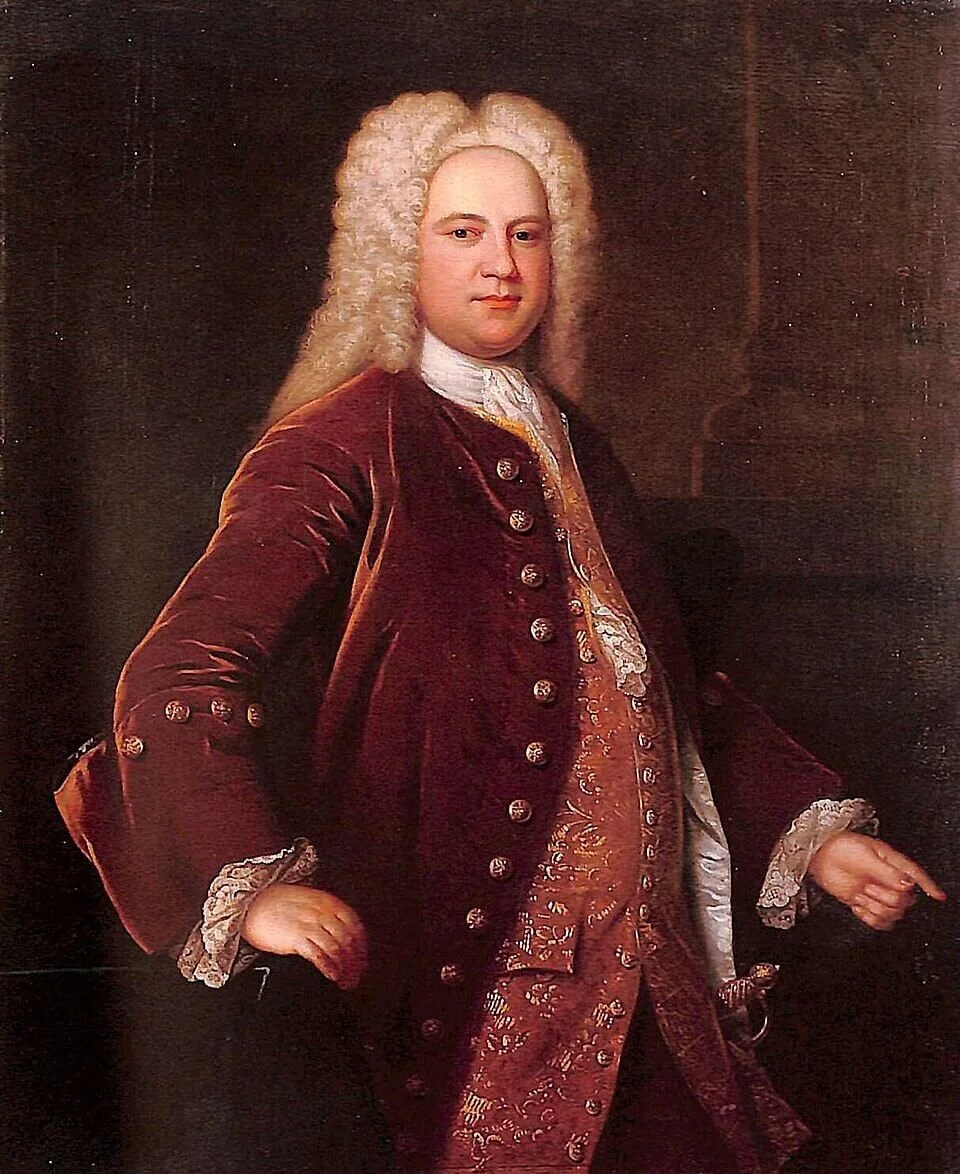
Sir William Gooch, 1st Baronet, Lieutenant Governor of Virginia (1727–1749)
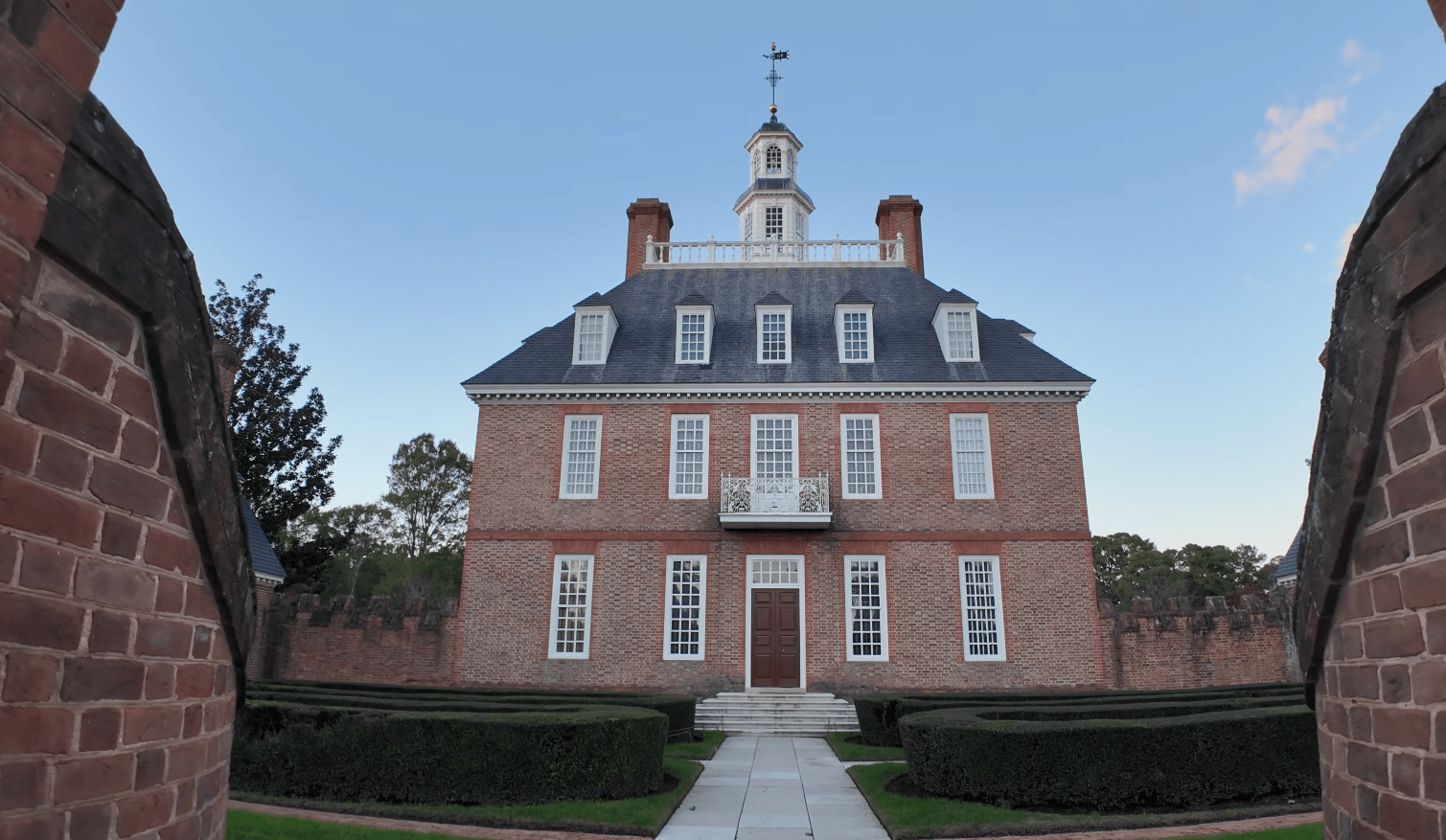
Royal Governor Gooch’s Governor’s Palace in Colonial Williamsburg
But despite suspicion and public concern, the historical record does not provide a definitive answer.
No person was ever proven responsible. No complete explanation survived.
And that uncertainty is what continues to make the Capitol fire such a fascinating chapter of Williamsburg’s past.
Fear, Faith, and Public Reaction
The aftermath of the fire revealed much about colonial society.
In the 18th century, major disasters were often viewed through both political and religious perspectives. Some leaders interpreted the event as a warning and connected it to concerns about morality and social order.
Others questioned whether officials were overreacting.
The response even reached one of America’s most famous thinkers. Benjamin Franklin, writing under a pseudonym, mocked the dramatic language used by colonial officials in a satirical piece that circulated in the colonies.
His response showed that even during moments of uncertainty, people found ways to challenge authority, question public statements, and use humor to process serious events.
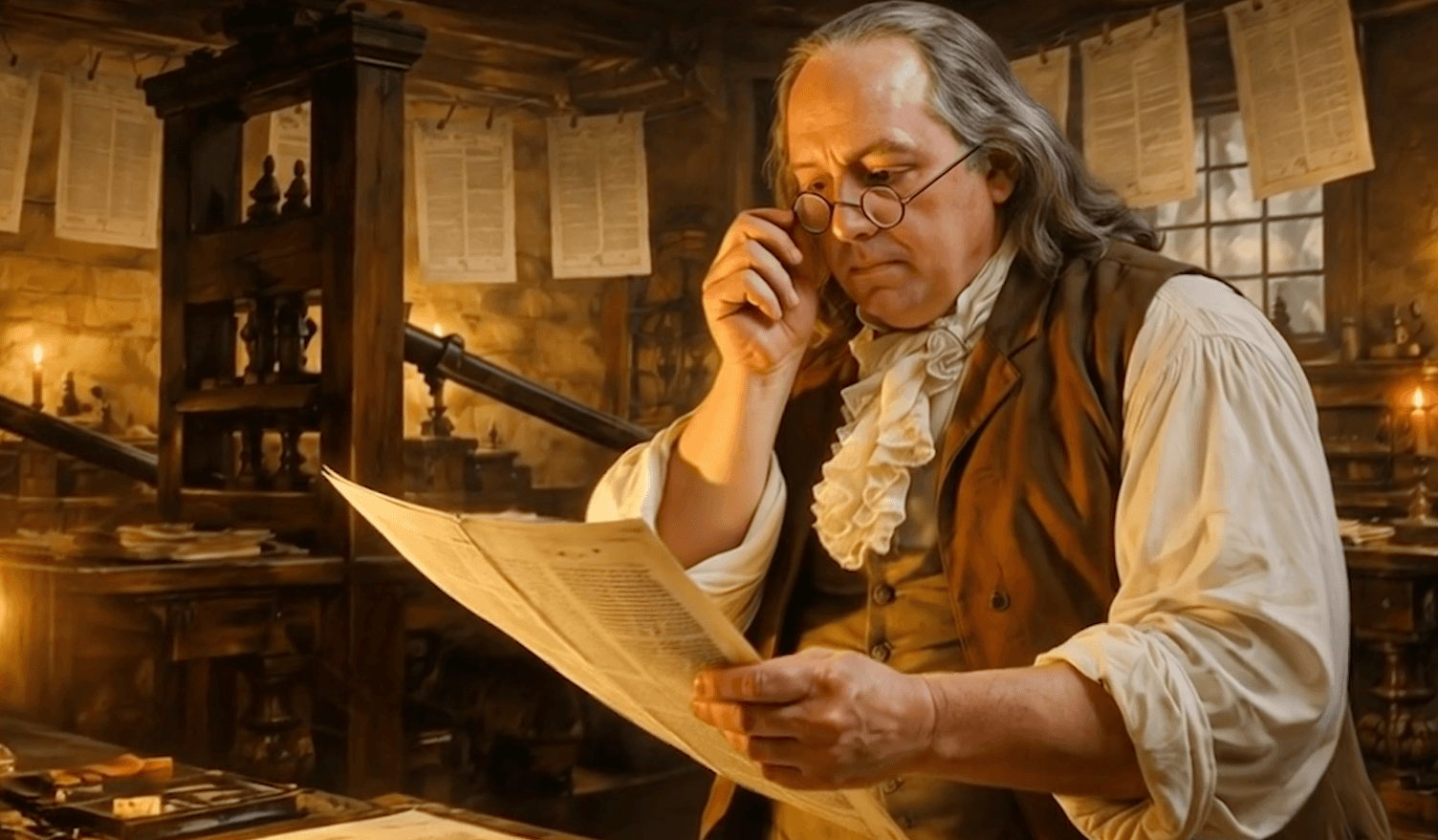
Benjamin Franklin Colonial Era Depiction
The Capitol fire became more than a local disaster. It became a conversation about power, responsibility, and how communities respond when something important disappears.
Rebuilding the Center of Virginia
The destruction of the Capitol left Williamsburg with a difficult decision: rebuild or move forward without its traditional center of government.
The choice was clear.
The Capitol had become too important to abandon.
A new Capitol was eventually constructed, restoring Virginia’s seat of government and creating a building that would later become connected to some of the most recognizable names in American history.
The rebuilt Capitol would witness debates during the years leading to independence and the American Revolution. Figures such as George Washington, Thomas Jefferson, Patrick Henry, George Wythe, and Edmund Pendleton would all become connected with the building.
The fire had destroyed a structure, but it did not erase the importance of the place.
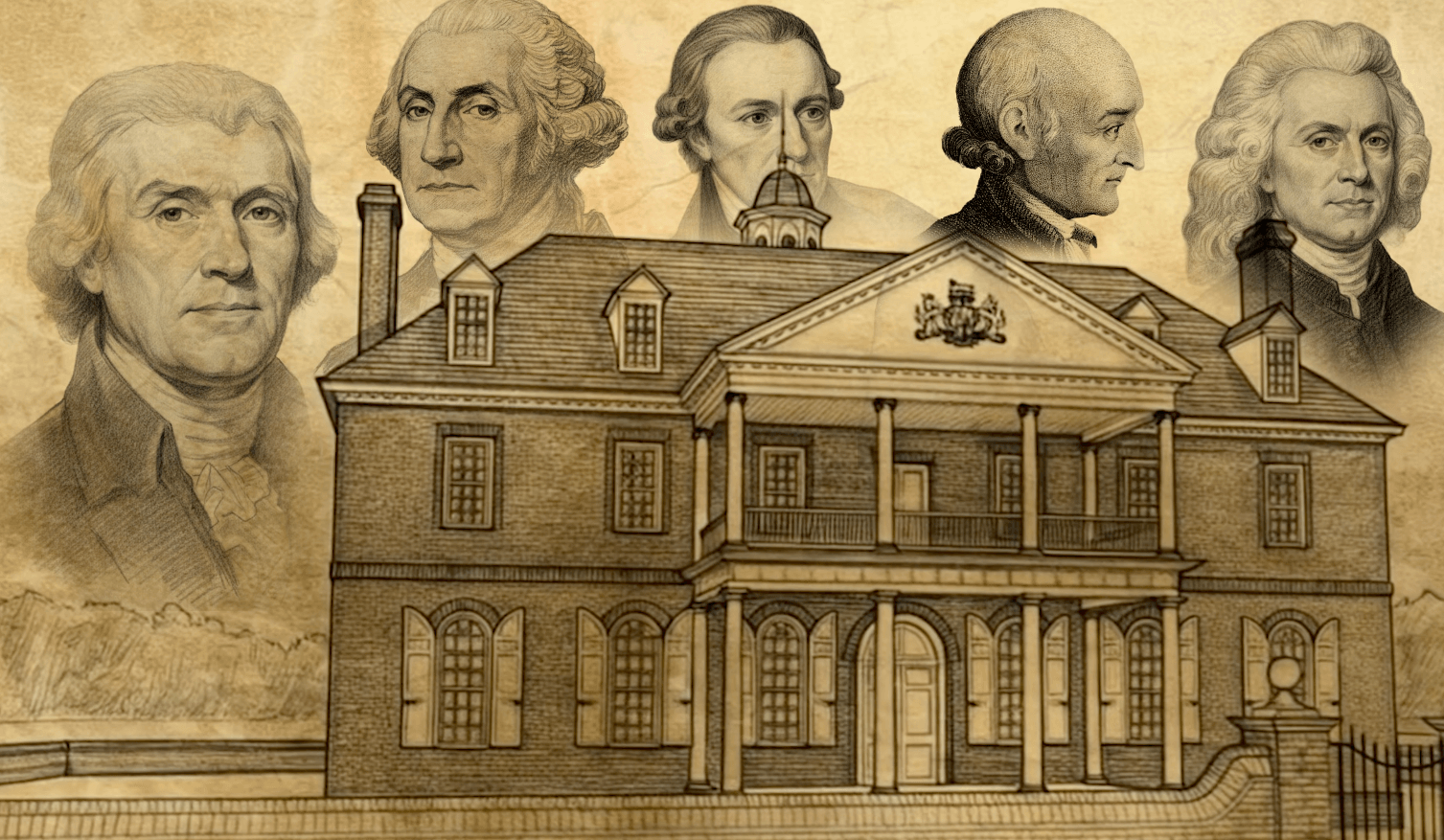
Colonial Williamsburg Second Capitol Building Exterior
Discovering the Capitol’s Hidden Connections Today
The Capitol visitors experience today is a reminder that historic places are more than recreated buildings.
They are places where generations of people made decisions, faced uncertainty, and shaped the future.
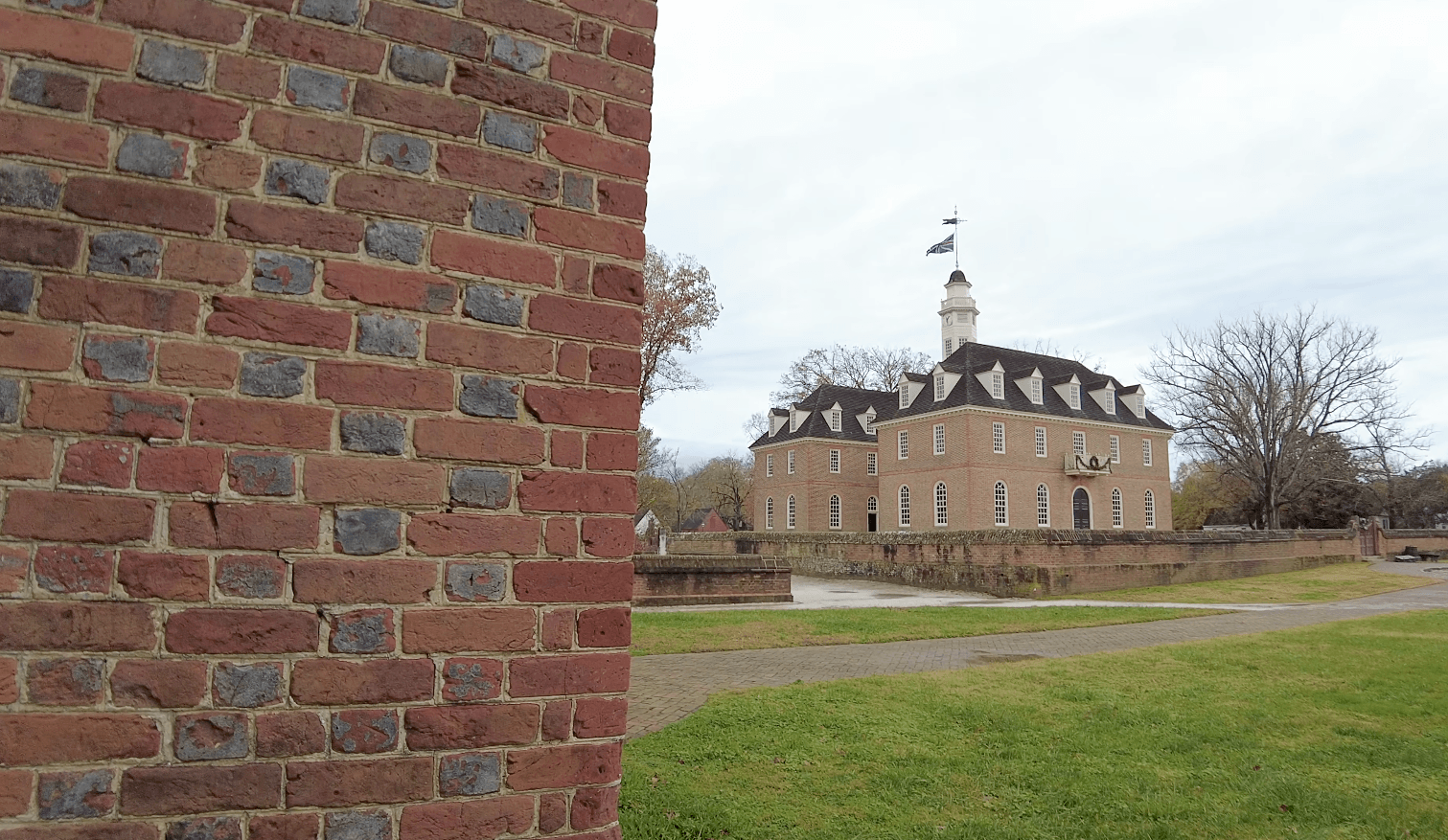
Colonial Williamsburg Capitol Exterior
Walking through the Capitol today, it is fascinating to think about everything this location has witnessed. The debates, the political struggles, the moments of crisis, and even the unanswered questions that remain centuries later.
The fire of 1747 reminds us that history is not always preserved through perfect records. Sometimes it survives through fragments, stories, and mysteries that continue to invite exploration.
The Capitol stands today because Williamsburg rebuilt. But the questions surrounding that winter night are part of what keeps the story alive.
Explore the Full Story Behind the Capitol Fire
Quest Capsule brings history to life through cinematic storytelling, exploring the people, places, and forgotten moments that shaped America.
Through on-location documentary filmmaking, each story goes beyond the landmark itself to uncover the details, mysteries, and human experiences hidden within historic locations.
Discover the complete Quest Capsule documentary and experience the full story behind the Capitol fire of 1747.
About Quest Capsule
Quest Capsule is the official website and documentary library of independent filmmaker, explorer, and storyteller Scott Steward.
Through cinematic historical documentaries filmed at America’s most significant historic locations, Quest Capsule explores the people, places, and events that shaped the past. Each film combines on-location exploration, historical research, and visual storytelling to bring forgotten stories and familiar landmarks to life.
Explore the complete collection of documentaries on the Quest Capsule YouTube channel and visit the official Quest Capsule website for more historical stories.
Created independently by Scott Steward, Quest Capsule preserves history through immersive documentary filmmaking and storytelling.